
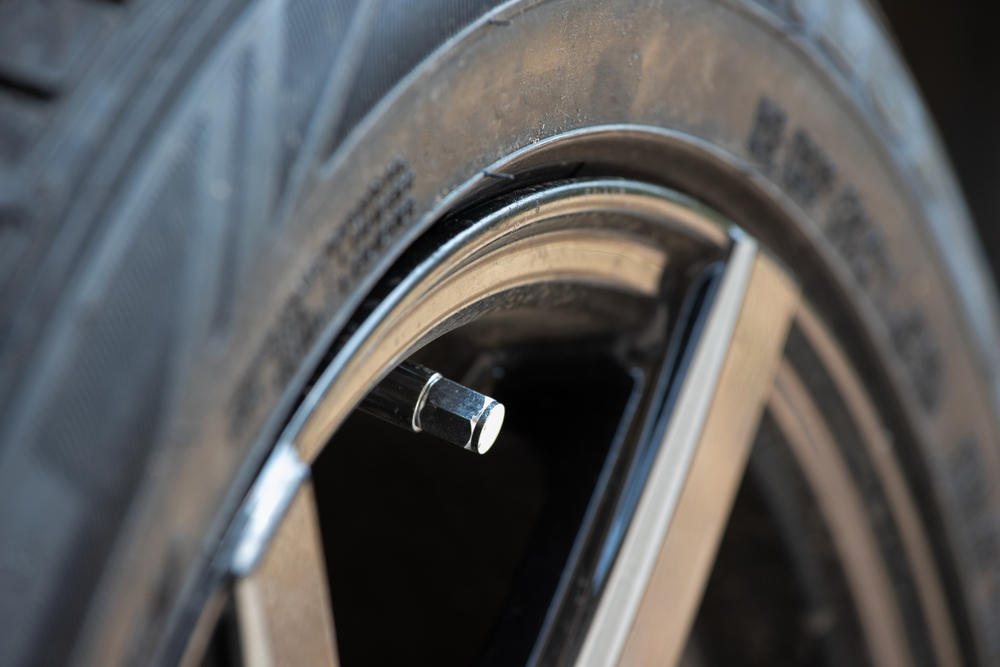
Valves, or tyre valves, play a crucial role in ensuring safe and stable driving. As tyres wear out, the valves also gradually deteriorate, which may eventually pose a risk whilst driving. A faulty valve can lead to a drop in tyre pressure, and consequently to a loss of control over the car’s handling. In this article, we take a closer look at tyre valves: we explain why it is worth checking their condition regularly and why you should not use tyres with damaged valves.
What affects the service life of car tyre valves?
Valves are made from rubber, which, like any material, is subject to gradual ageing and loses its original properties. Rubber is most affected by environmental factors, including ozone and temperature, as well as mechanical damage. Furthermore, the steel components in tyres may corrode over time, particularly if the driver does not use the plastic covers designed specifically for them.
During normal driving, tyres are subjected to heavy use and the transfer of forces. This can lead to deformation, reduced airtightness or failure. Such changes should not be ignored, as even small cracks pose a potential risk of damage to the entire wheel.
Furthermore, some punctures may remain undetected, yet still lead to a gradual loss of tyre pressure. So if a driver notices a gradual drop in tyre pressure, even over the course of a week, they should check the condition of the valves. Incorrect tyre pressure poses a risk to safe driving, increases braking distances and can lead to a tyre blowout.
Replacing valves – how often should this be done?
Valves are normally replaced when a tyre change. Tyre workshops usually offer a service package that includes a comprehensive tyre service. This ensures that motorists changing from winter to summer tyres (or vice versa) can be confident that their valves are structurally sound and designed for long-term use.
We encourage drivers who have encountered various types of faults with their set of tyres – which may also have caused damage to the valve structure – to replace their valves more frequently. If, however, this has not been the case, the best course of action is to replace the valves with new ones every six months.
Valves in all-season tyres
In the case of all-season tyres, it is recommended that you have your tyres checked once a year. A mechanic should assess aspects such as tyre balance, tread condition and valve condition. If they notice any irregularities, they will recommend or carry out the replacement of the valves themselves. In the case of passenger cars, conventional Schrader valves are primarily used; these have been common in the automotive and tyre industries for over a hundred years.