
What is the correct tyre pressure for a car?
Correct tyre pressure is one of the key factors affecting driving safety, fuel consumption and tyre life. Despite this, many drivers forget to check it regularly. Yet it is very simple to do, and you can have it checked at almost any petrol station.
Why is the correct tyre pressure so important? The correct tyre pressure ensures that the car maintains proper contact with the road surface, which in turn improves the vehicle’s stability, braking performance and driving comfort.
Car tyre pressure – not too much, not too little
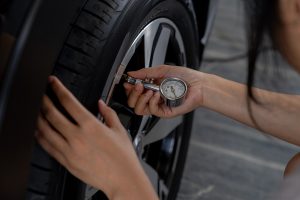 Both too low and too high pressure can lead to dangerous situations. Under-inflated tyres wear out more quickly, increase rolling resistance and lead to higher fuel consumption. On the other hand, excessively high pressure reduces the contact patch tyres with the road surface, which reduces grip and makes the tyre more prone to damage.
It is worth bearing in mind that The air pressure in car tyres varies with temperature – It may drop in winter and rise slightly in summer. That is why tyre pressure should be checked regularly, at least once a month and before a long journey, whilst the tyres are still cold.
What should the tyre pressure be?
There is no single, universal figure that applies to all vehicles. The recommended tyre pressure for cars depends on a number of factors – primarily the car model, tyre size and the expected load on the vehicle. For the same car, the figures may vary depending on whether you’re driving alone or with a full complement of passengers and luggage.
You can find information on the correct tyre pressure for your car in the car’s owner’s handbook. Manufacturers also very often affix a relevant sticker with instructions in clearly visible places – most commonly on the pillar by the driver’s door, on the fuel filler flap or inside the glove compartment. These stickers usually show two sets of figures – one for driving under normal conditions and one for when the car is fully laden.
How do you check and adjust your tyre pressure correctly?
To find out what the current tyre pressure is, it’s worth using a pressure gauge – available at most petrol stations or at a tyre repair shop. The measurement should be taken on cold tyres, i.e. after driving no more than a few kilometres. Otherwise, the result may be overestimated due to the warm air.
If the pressure turns out to be too low or too high, it must be adjusted accordingly. The stations are equipped with compressors that allow you to set a target value – the machine will automatically stop pumping once the correct level has been reached.
Don’t forget the spare tyre either – its tyre pressure is often different from the others and can be higher. Checking it regularly can save you a lot of stress in an emergency.
If you’re wondering what the correct tyre pressure should be for your car, consult the vehicle manual or check the markings on the bodywork. Correct tyre pressure isn’t just a matter of comfort, but above all of safety. By ensuring your tyres are at the correct pressure, you reduce the risk of an accident, save fuel and extend the life of your tyres. It’s a simple step that can make a huge difference to you and your passengers.