
Tyre damage – the most common signs of tyre faults
Tyre damage does not always manifest as a sudden burst or a visible loss of air. Sometimes the signs are subtle, but they can signal a serious risk. If you spot them in time, you can avoid dangerous situations and costly repairs. Find out how to spot a damaged tyre, what the most common signs are, and where to go in Warsaw for professional help.
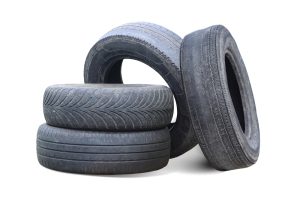 Tyres are the part of the vehicle that comes into direct contact with the road surface – and it is they that are most often exposed to mechanical damage. Cracks, cuts, bulges or uneven wear can lead to uncontrolled skidding or even a tyre blow-out whilst driving. A seemingly minor fault can turn out to be the start of a serious problem. That is why it is so important to react quickly to the first signs of tyre damage. Find out what should raise your alarm, how to avoid the consequences of neglect, and when tyre replacement in Warsaw is necessary.
The most common signs of a damaged tyre – what should you look out for?
Not all tyre faults are visible at first glance. Some signs may only become apparent whilst driving. The most common signs of tyre damage include:
- steering wheel vibration – particularly at higher speeds – may indicate damage to the tyre’s structure or that it is out of balance;
- a car veering to one side – if a tyre has suffered internal damage, it may cause the vehicle to veer off course;
- uneven tread wear – often caused by a tear in the inner belts, alignment problems or tyre pressure that is too low;
- Noisy tyres – a humming or whirring sound whilst driving may be caused by tyre deformation;
- A loss of pressure – even a slow one – indicates micro-damage, a leaky valve or a puncture.
Continuing to drive on a damaged tyre may cause it to burst whilst you are driving, which poses a huge risk – both to you and to other road users.
Types of tyre damage and their causes
Not every fault looks the same. Here are a few common tyre problems that should prompt you to check them straight away:
- cuts and lacerations – caused by contact with a sharp object (glass, kerb, road debris);
- bulges on the side of the tyre – caused by damage to the internal structure, most commonly following a heavy impact, e.g. with a pothole in the road;
- lateral and tread cracks – a sign of rubber ageing, chemical exposure or poor storage conditions;
- internal damage – difficult to detect with the naked eye, often requiring the tyre to be dismantled and inspected from the inside;
- flat spots on the tyre – caused by sudden braking or driving with a locked wheel.
In Warsaw, Wulkanizacja24 offers round-the-clock tyre diagnostics and replacement – a place where your safety is the top priority.
Why shouldn’t you ignore the symptoms?
Driving on a damaged tyre is a serious risk. Structural damage could cause it to tear at high speed, which could result in a collision. Furthermore, wear and tear on one tyre has a negative impact on the wear of the others, the performance of the suspension and ride comfort.
It’s not worth skimping on tyres – after all, they’re what maintain contact with the road surface. Regular checks and a swift response to any worrying signs can prevent many dangerous situations.
If in doubt or if you suspect damage, visit Wulkanizacja24 in Warsaw – a service centre that operates 24 hours a day and offers professional tyre fitting, diagnostics and repairs. Ensure your own safety and that of your passengers before what appears to be a minor fault leads to serious consequences.