
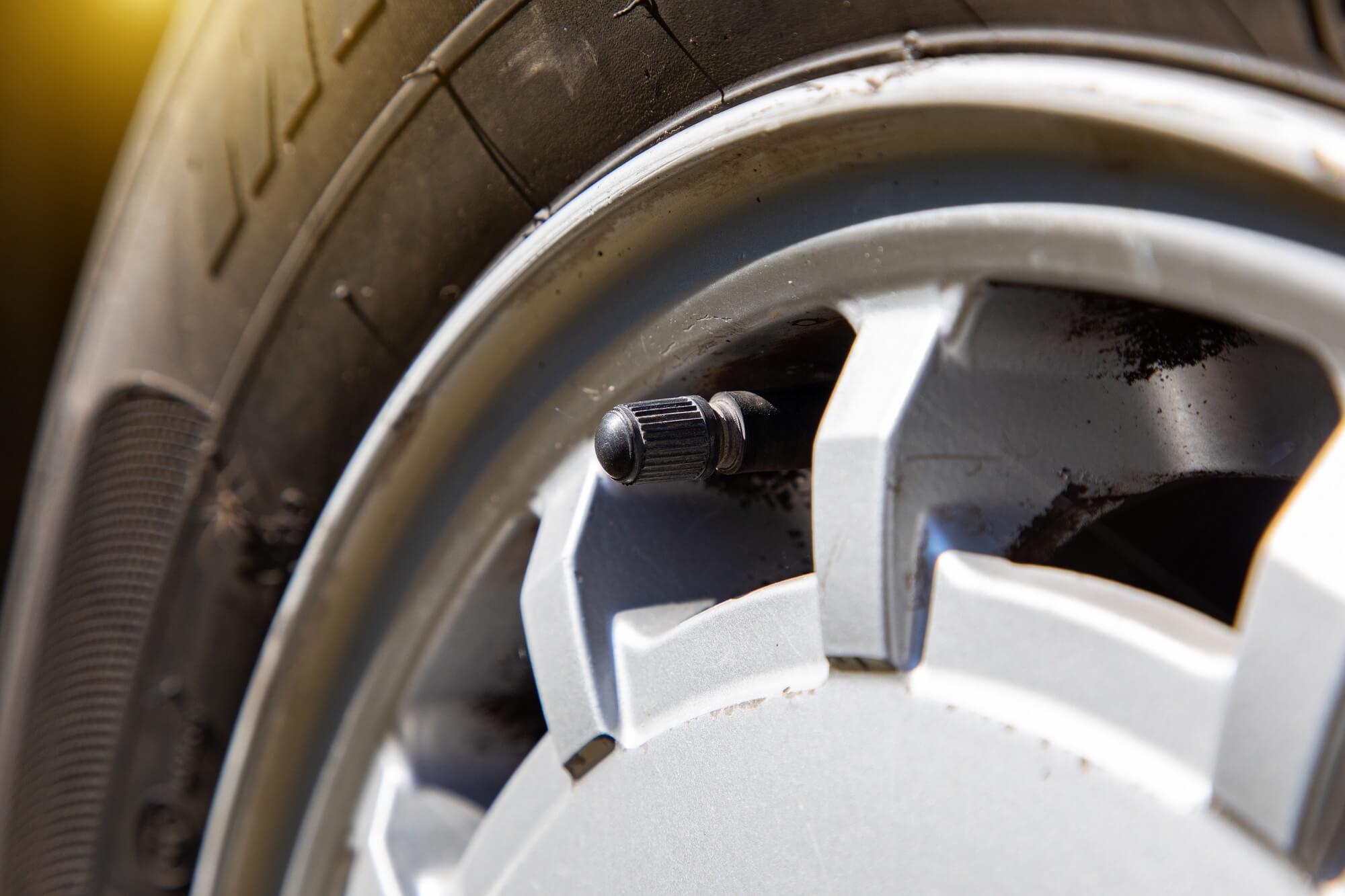
The pressure drops after the car wash – could this be a problem with the valve?
When the pressure warning light flashes after leaving the car wash, it causes stress and raises questions. Is it just cold water, or is there already a real problem with the valve? The good news is that it’s often down to natural phenomena rather than a sudden breakdown. However, it’s worth knowing how to check it and when to take action.
In this article, you’ll find simple explanations, quick checks you can carry out at home, and tips on how to look after your valve and tyre. At the end, you’ll find out when it’s best to use a service centre, including 24-hour ones.
Why does the pressure drop after going through the car wash?
In most cases, a drop in tyre pressure after a car wash is caused by the tyres cooling down and by the pressurised water revealing minor leaks.
Cold water lowers the temperature of the tyre and the rim, so the tyre pressure also drops. The difference can be around 0.1 bar for every 10°C drop in temperature. A jet from a pressure washer can also reveal weak spots, for example at the rim of the wheel, on the valve or at the site of previous damage. If the drop is slight and stabilises after a short drive, it is usually due to temperature. If it is significant and increases, there may be a leak.
Can damp and foam damage the vent?
Moisture and limescale rarely cause damage to a fan on their own, but they can accelerate problems in an old or worn-out unit.
Cleaning chemicals do not usually damage functioning parts straight away. However, a worn rubber valve stem is more prone to bending and cracking. High-pressure water, especially when directed from very close range, can force moisture into the valve insert or under the seal. In cars with a metal valve and a TPMS sensor, moisture can contribute to corrosion of the components. This is why faults that would have occurred anyway sometimes become apparent sooner after a car wash.
How can you check the fan without going to a garage?
A quick test using water and washing-up liquid is usually enough to detect a leak.
A quick check can be carried out whilst the vehicle is stationary in just a few minutes:
- A solution of water with a little liquid, and a small brush or spray bottle.
- Apply foam to the valve insert, the thread and the valve base against the rim. Check for any bubbles.
- Check the valve stem for cracks and excessive deflection.
- Checking the cap. The version with a seal offers better protection against moisture and dust.
- If the tyre is loose, gently tighten it by no more than a fraction of a turn using the special spanner; in cars fitted with a TPMS sensor, have it checked and replaced by a garage.
- Extra foam at the point where the tyre meets the rim. Any bubbles that appear indicate a leak that is not necessarily related to the valve.
How can you tell if a tyre valve is leaking?
The most reliable indication is the presence of bubbles in the foam test or an audible hissing sound near the vent.
Other signs of a leak include dampness and dirt under the cap, a drop in tyre pressure after being parked overnight, and recurring TPMS alerts. It is also worth checking the rubber stem. Cracks, splits or excessive wear suggest it needs replacing. In metal valves, greenish or white corrosion is a cause for concern. If bubbles are coming from the valve core itself, replacing it often helps; if they appear at the base near the rim, the entire valve or the TPMS seals may need replacing.
Does the absence of a valve cap increase air loss?
The absence of a valve cap does not usually cause rapid air loss, but it does increase the risk of a slow leak and dirt build-up.
The valve insert ensures a tight seal. The cap serves a protective function, and the one with a seal also acts as an additional safeguard. Without it, water and small particles can get inside. After washing, moisture can sometimes be seen inside the cap, which increases the risk of corrosion and micro-leaks. Consistent use of caps with gaskets helps to minimise these problems.
How can you quickly check the tyre pressure after a car wash?
A pressure gauge reading taken after a short pause gives a reliable result.
What matters here is simplicity and repeatability:
- Measure using the same pressure gauge, preferably when the tyres are cool.
- A comparison with the recommended values stated on the label in the car.
- Taking temperature into account. Following intensive cooling, the reading may be approximately 0.1 bar lower.
- A short drive and another reading. A stable reading indicates there is no leak; a drop indicates a problem.
- Check all the tyres. An uneven drop in pressure usually indicates a localised puncture.
When is it necessary to take your car to a garage after washing it?
A visit to a service centre is necessary if the pressure drops rapidly, the foam test reveals bubbles, or the valve is cracked or corroded.
A pressure drop of several tenths of a bar over a 24-hour period, recurring TPMS warnings, noticeable bubbling around the valve stem or base, and visible damage to the rubber or metal corrosion all require urgent diagnosis. In vehicles fitted with TPMS, the valve should be replaced and tightened at a service centre that uses the correct sealants and tightening torques. In such cases, a tyre service centre with experience in TPMS is helpful. A mobile tyre service is also available in Warsaw; 24-hour availability requires prior confirmation, and the service attends to both passenger cars and vans.
How can you prevent air from escaping after washing your car?
A gentle cleaning method and the regular replacement of seals minimise the risk.
Effective habits include:
- Avoid pointing the nozzle directly at the vent and the point where the tyre meets the rim. Always keep a safe distance.
- Always use caps with a seal. After washing, dry the thread before fitting the cap.
- Replace the rubber valves when changing tyres or every few years. This also applies to TPMS sealant kits.
- Regular replacement of the valve core, particularly when changing tyres for the season.
- A monthly pressure check and an additional check following a significant drop in temperature or high-pressure washing.
- Caring for your wheel rims. Corrosion around the rim can lead to leaks, regardless of whether you use a car wash or not.
Summary
A drop in tyre pressure after a car wash is usually put down to physics and the tyre cooling down. However, if the foam test reveals bubbles, it’s best not to delay. A quick diagnosis and a minor replacement can prevent damage to the tyre and save you time on the road.
Order a quick one tyre change right now!