
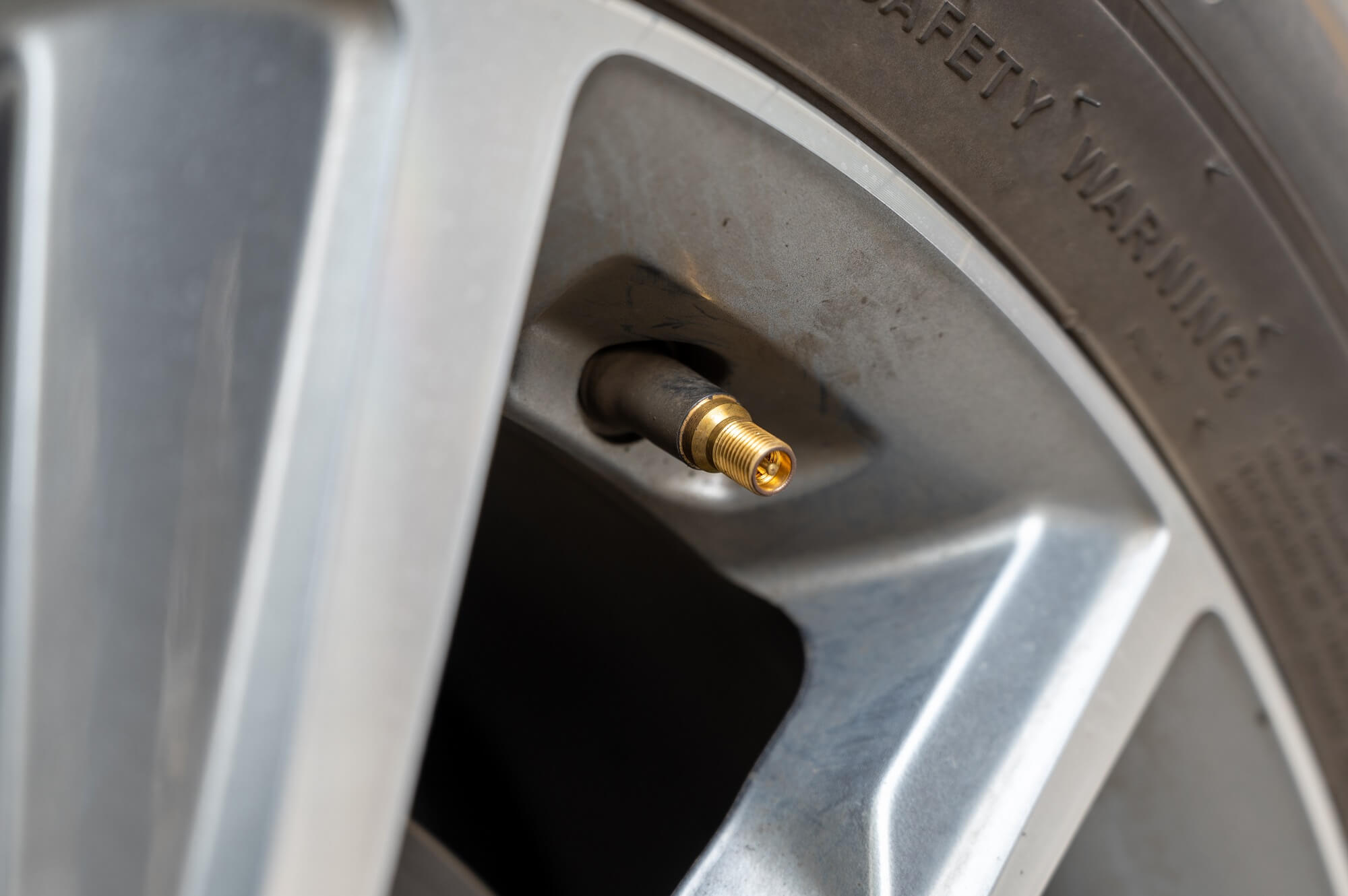
Is it worth replacing the valves every time you change your tyres?
When we change our tyres, we usually check the tread and the rims. The valve seems like an afterthought, even though it’s what keeps the air in. A single tiny crack can leave your car stranded when you least expect it.
In this article, I explain when and why it’s worth replacing valves, how to check them, and what benefits this simple task offers. You’ll also find out whether to do it yourself or leave it to a garage.
Is it worth replacing the valves every time you change your tyres?
It is advisable to replace rubber valves every time you change your tyres, whilst metal valves and those fitted with TPMS sensors should be serviced using a set of seals.
Rubber deteriorates due to heat, ozone and salt. Micro-cracks and leaks can develop. Replacing the valves when fitting new tyres is quick and reduces the risk of losing tyre pressure whilst on the road. In metal valves and TPMS sensor stems, it is essential to replace the seals, O-rings and inserts. This is a cheap and effective way to maintain stable pressure and extend the life of your tyres.
When does a faulty fan need to be replaced immediately?
When it is no longer airtight or shows signs of mechanical damage.
Symptoms that require action:
- an audible hissing sound or visible bubbles in the soapy water test
- cracks, worn rubber, a bent valve stem
- a loose nut or corrosion around the seat in metal valves
- a seized or leaky valve insert
- a sudden drop in tyre pressure or TPMS warnings
How do you check the condition of the valves when fitting the wheels?
All that is required is a thorough visual inspection, a leak test and a check of the sealing components.
During fitting, the service centre should inspect the valve stem and base, assess the flexibility of the rubber and check the condition of the cap. The service centre carries out a leak test by spraying soapy water around the base, on the insert and around the nut. For metal valves and TPMS valves, the service technician checks the O-rings, washers and insert, and ensures that the valve is tightened correctly in accordance with the manufacturer’s instructions for the wheel rim or sensor. Finally, the operating pressure is checked and adjusted.
Does the type of valve affect its durability and safety?
Yes. Rubber valves wear out more quickly, metal ones are more durable, and TPMS requires servicing.
Rubber valves are lightweight and popular, but they wear out over time. In metal valves, the seal is provided by O-rings and washers, which need to be replaced periodically. In vehicles fitted with TPMS, the valve stems may be made of aluminium. This is a precise solution, but one that is susceptible to damage and corrosion. Regular maintenance using a repair kit maintains the seal and prevents sensor errors.
What are the practical benefits of replacing the valves when fitting tyres?
Consistent airtightness and peace of mind on the road.
- a lower risk of sudden loss of pressure
- even tyre tread wear and improved handling
- lower fuel consumption thanks to the correct tyre pressure
- fewer TPMS system faults and no false alerts
- saves time, as replacing it whilst fitting is the quickest option
Can you replace the valves yourself, or is it better to have it done at a garage?
In practice, it’s better to have a tyre service centre do it.
Replacing a valve requires removing the tyre, the appropriate tools and experience. It is easy to damage the wheel rim, the tyre or the TPMS sensor. A professional service centre will inspect the rim, balance the wheel, carry out a road test of the balance, service metal valves and the TPMS in accordance with the procedure, and set the correct tyre pressure. In addition, they can check the wheel alignment, the straightness of the rims and the airtightness of the entire wheel. The only part you can safely replace yourself is the valve cap or the valve core, provided it is available and there is no TPMS fitted; however, the risk of a puncture remains high.
What problems might arise if you leave the old valve on the rims?
A puncture, a drop in pressure and possible tyre damage.
Old rubber cracks and hardens, and the valve insert can become stuck. This leads to micro-leaks that are not immediately visible. Driving with tyre pressure that is too low causes the tyre to overheat, increases braking distances and accelerates tread wear. In extreme cases, this can lead to a sudden loss of pressure. In cars fitted with TPMS, system errors or sensor faults may also occur.
Should I add a valve replacement to the checklist when changing tyres?
Yes. It’s a simple point that has a real impact on safety.
It’s worth adding the following to your checklist:
- assessment of the condition of valves and caps
- replacement of rubber valves with every tyre fitting
- servicing of the seal kit in metal valves and the TPMS
- Leak test after installation and pressure adjustment
- Update the TPMS settings, if applicable
A small valve determines whether a tyre maintains its pressure day in, day out. Replacing it when you change your tyres for the season requires little effort and brings real benefits. Consistent tyre pressure means a smoother ride, a longer tyre life and lower running costs. It’s worth thinking of the valve as a safety feature, rather than just an accessory to the tyre.
Book an appointment and have the valves replaced the next time you visit changing tyres!