
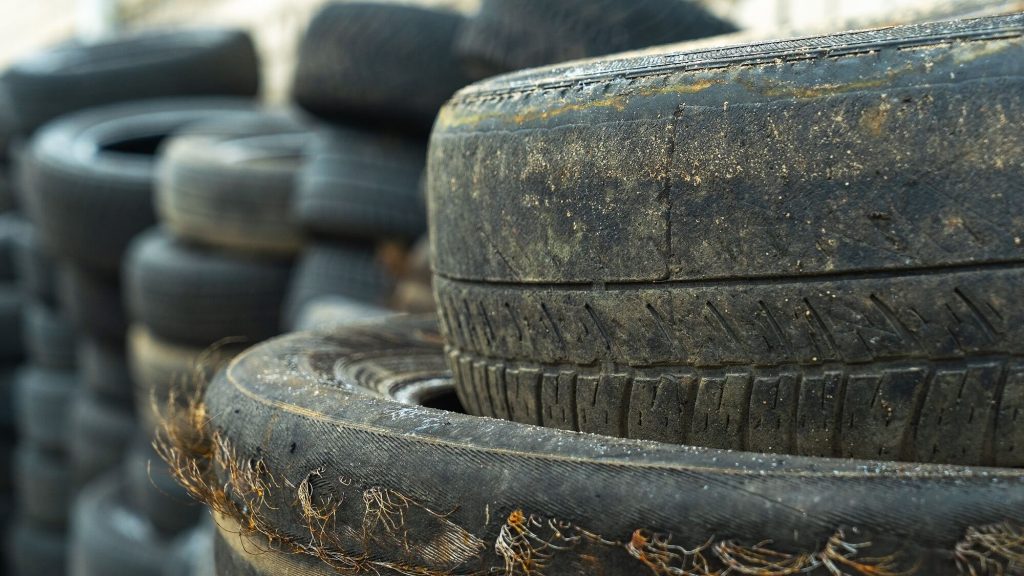
Can you be fined for bald tyres?
Yes, you can be fined for driving on bald tyres, and the consequences can be far more serious than just a financial penalty. This is neither a myth nor a scare tactic aimed at drivers, but a real danger that we encounter every day at our Wulkanizacja24h service centre. From our experience as a company with the ‘Rzetelna Firma’ (Reliable Company) certification, we know that many drivers do not realise how fine the line is between a worn tyre and an illegal one, and how dramatically this affects driving safety.
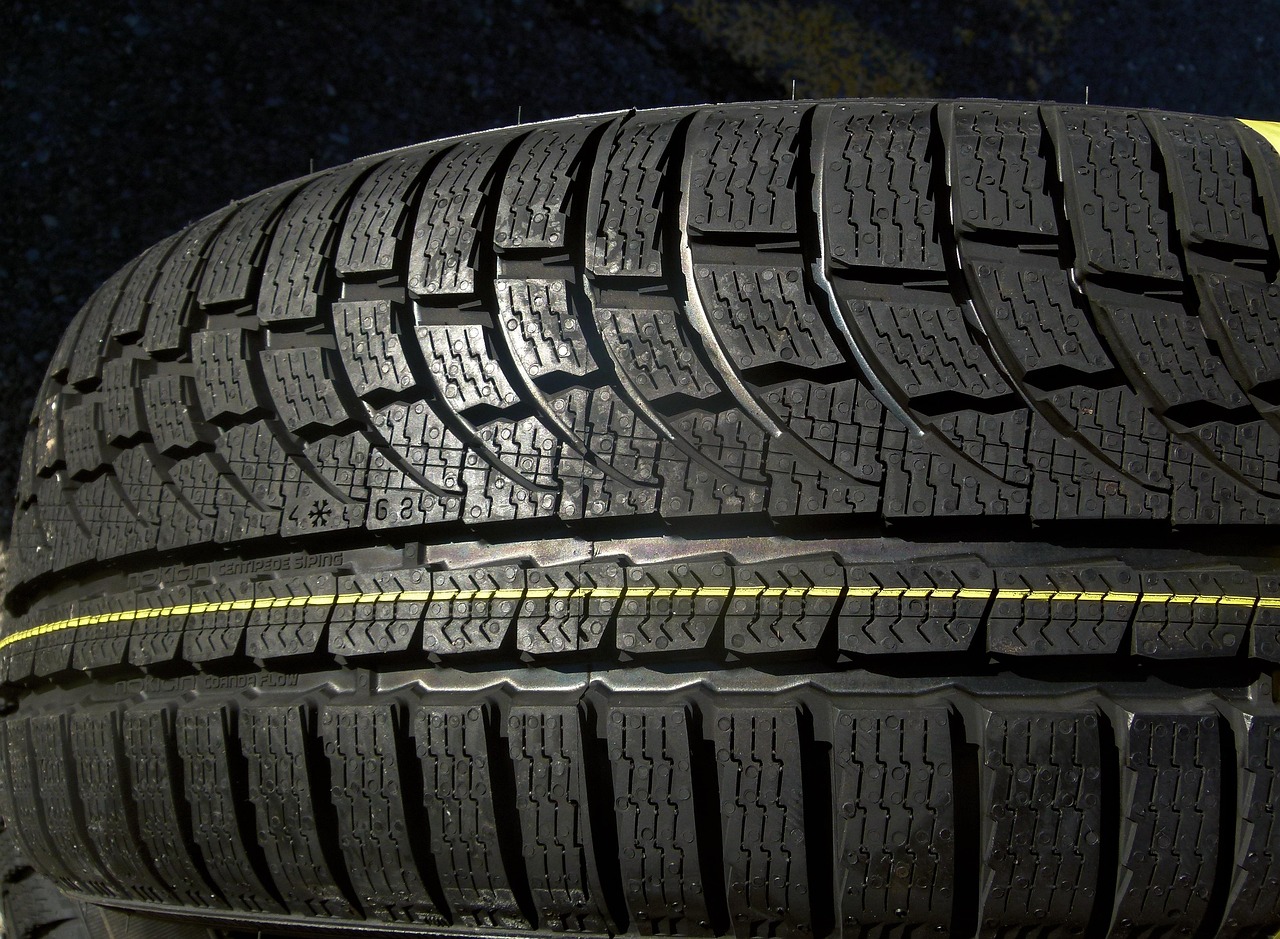
The condition of your tyres is one of the key factors the police look out for during road checks. A worn tyre tread drastically increases braking distances, particularly on wet roads, and raises the risk of losing control of the vehicle. In this article, drawing on years of experience in tyre servicing in Warsaw, we’ll explain everything you need to know about the regulations, penalties and, most importantly, how to ensure your own safety.
In a nutshell
- A fine for worn tyres can be as high as 3,000 zł, although the amounts are usually lower.
- The minimum permissible tread depth in Poland is 1.6 mm.
- The police have the right to electronically suspend a vehicle registration certificate due to tyres being in poor condition.
- Worn tyres can increase the braking distance on a wet road by as much as a dozen or so metres.
Can you be fined for bald tyres?
Definitely yes, driving on tyres with worn tread is an offence and is punishable by law. Many of our customers are surprised when, during their seasonal tyre change, they discover that their old set was no longer roadworthy, not only for safety reasons but also for legal ones. This is not a dead letter of the law, and police officers are checking the condition of tyres on vehicles more frequently and more thoroughly.
What is the legal basis for a fine for tyres?
The basis for imposing a fine is Article 97 of the Code of Petty Offences, which relates to breaches of other provisions of the Road Traffic Act, specifically Article 66(1). The latter stipulates that a vehicle on the road must be constructed, equipped and maintained in such a way that its use does not endanger the safety of its occupants or other road users. A bald tyre is a clear breach of this requirement, as it poses a direct threat to safety – something we always emphasise when advising customers on the purchase of a new set of tyres at our tyre centre.
How much is the fine for worn tyres?
A fine for a vehicle being in poor technical condition, including worn tyres, can range from 20 zł to as much as 3,000 zł. In practice, a police officer at the scene will usually issue a fine of several hundred zlotys; however, in cases of gross negligence or where the condition of the tyres could have contributed to a road accident, the matter may be referred to court. In such cases, the fine may reach the aforementioned upper limit, which makes regular checks and tyre replacement a much cheaper option.
How many penalty points can you get for having tyres in poor condition?
At present, the penalty points system does not provide for separate penalty points for tyres being in poor condition alone. However, this does not mean that the problem can be ignored, as the situation is constantly evolving and the regulations may change. More importantly, if worn tyres cause a collision or accident, the consequences – including penalty points for endangering road safety – will be far more serious, not to mention potential problems with receiving compensation under a comprehensive motor insurance policy.
How can you tell if a tyre needs replacing?
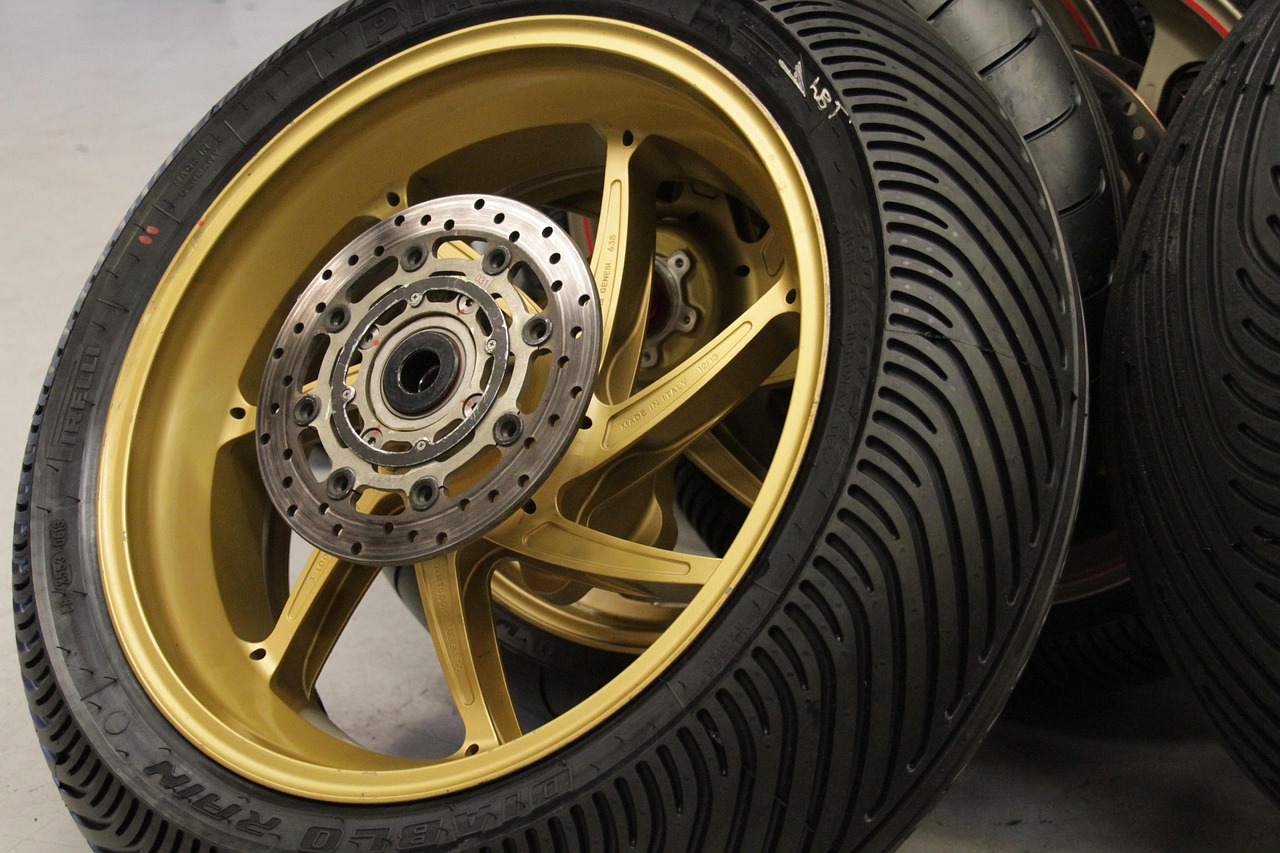
Checking the condition of your tyres is straightforward, and any driver can do it themselves without specialist tools. The most important thing is to check two things: the tread depth and the general condition of the rubber for any damage. At our garage, as part of every service – from wheel alignment to tyre replacement – we routinely assess the condition of the tyres and inform customers of any potential risks.
What is the minimum permissible tread depth?
Under Polish regulations, the minimum permissible tyre tread depth is 1.6 mm. However, from our many years’ experience in the tyre industry, we know that this is an absolute minimum. We always advise our customers to replace their summer tyres when the tread depth reaches 3 mm, and their winter tyres when it reaches 4 mm, as below these levels their performance deteriorates drastically, particularly on wet and snow-covered roads.
How do you read the TWI tyre wear indicator?
Most tyres have a tread wear indicator, known as a TWI (Tread Wear Indicator). These are small raised areas located in the main tread grooves, which are exactly 1.6 mm high. When the tread surface is level with these indicators, it means that the tyre has reached the legal minimum and must be replaced immediately. The location of the TWI indicators is often marked by a small triangle or the abbreviation ‘TWI’ on the sidewall of the tyre.
Can the police confiscate a vehicle registration certificate because of tyres?
Yes, during a roadside check, a police officer is entitled to confiscate a vehicle’s registration certificate if they determine that its technical condition poses a safety risk. Bald tyres, visible cracks or bulges are sufficient grounds for this. Nowadays, the suspension is carried out electronically by recording the fact in the Central Register of Vehicles and Drivers (CEPiK), and the driver is given a receipt.
What should you do if your vehicle registration certificate is confiscated?
Once the vehicle registration certificate has been confiscated, the procedure is clearly defined and consists of several steps. First and foremost, you must rectify the fault that led to the confiscation – in this case, by replacing the tyres with new ones. You must then go to a vehicle testing centre to undergo an additional roadworthiness test, which will confirm that the vehicle is now roadworthy. With the test certificate, you can resume normal use of the vehicle, and the information regarding the reinstatement of its roadworthiness will be automatically updated in the CEPiK system.
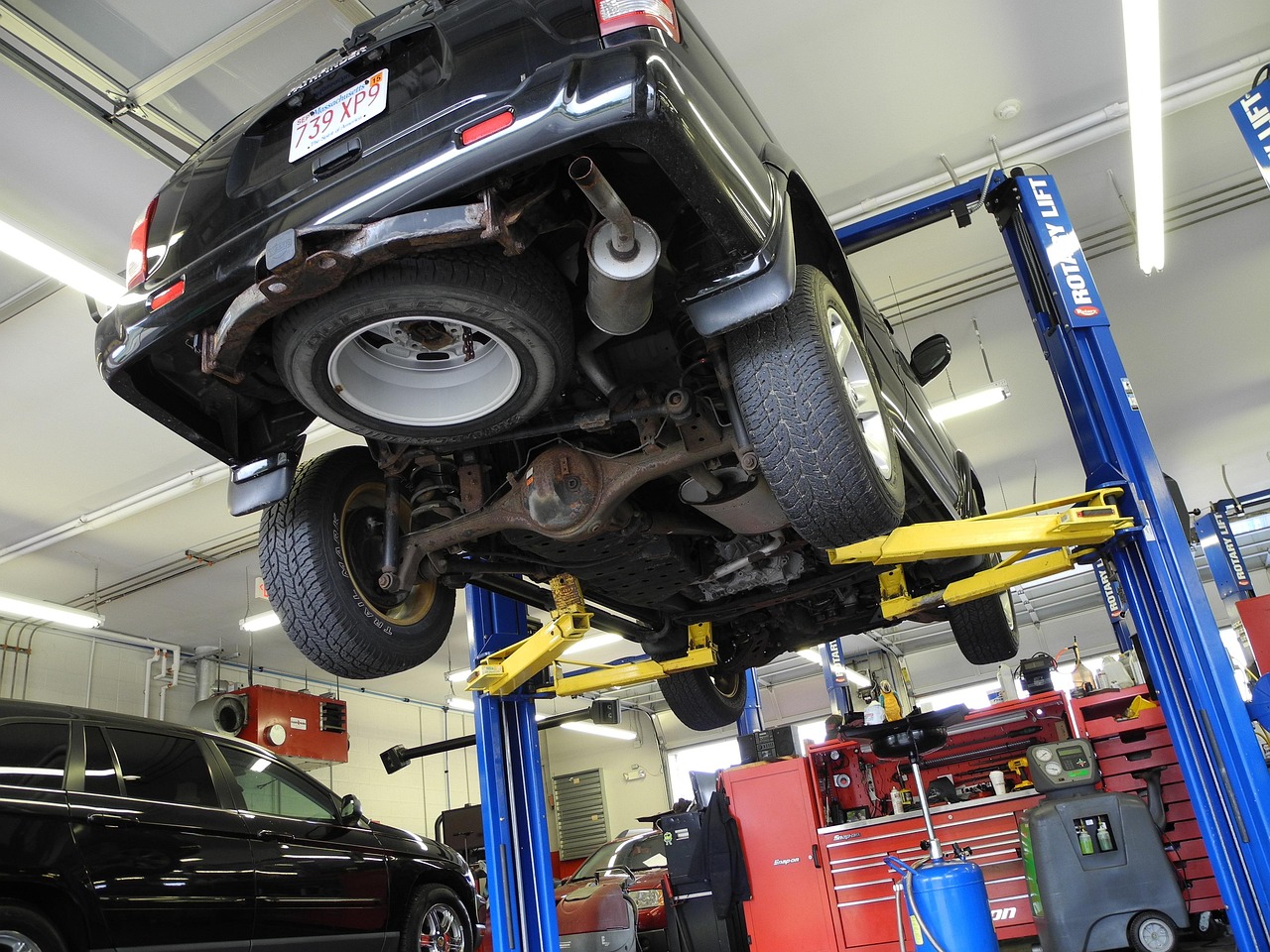
How do bald tyres affect braking distance?
Worn tyres dramatically increase braking distances, which is particularly dangerous in wet conditions. Insufficient tread depth prevents water from being effectively channelled away from under the tyre, leading to a loss of grip. The difference in braking distance between a new tyre and a worn one can be as much as a dozen or so metres, which often determines whether a collision occurs.
| Tyre condition | Tread depth | Approximate braking distance (80–0 km/h) |
|---|---|---|
| A new summer tyre | approx. 8 mm | approx. 38 metres |
| A worn summer tyre | 1.6 mm | approx. 52 metres |
Why is it easier to skid on bald tyres?
The main reason is the phenomenon of aquaplaning, i.e. the formation of a wedge of water between the tyre and the road surface. The deep grooves in the tread of a new tyre act as channels that quickly disperse water, ensuring constant contact between the rubber and the tarmac. In the case of a bald tyre, these channels are virtually non-existent, causing the tyre to start ‘floating’ on a layer of water, and the driver to lose control of the vehicle completely. At our garage, when carrying out a service such as wheel balancing with a road test, we often demonstrate to customers how uneven tyre tread wear can exacerbate this dangerous phenomenon.
What other types of tyre damage are dangerous?
A worn tread isn’t the only hazard. Every time we change tyres at our Warsaw service centre, we thoroughly check the entire surface of the tyre for other damage. Any of these can be just as dangerous as a lack of tread and can also result in a fine and the suspension of your vehicle registration certificate.
- Please note for any cracks, cuts or areas where the rubber is worn away, particularly on the sidewall of the tyre.
- Check it out, check whether there are any bulges, known as ‘blisters’, on the tyre, as these indicate damage to the internal structure.
- Rate, check that the rubber isn’t worn out and cracked with age, even if the tread is still deep.
- Make sure, that no parts of the carcass or wire are protruding from the tyre.
Is it safe to drive on a tyre with a bulge or a crack?
Absolutely not. Driving on a tyre with a visible bulge or a deep crack is playing with fate. A bulge on the sidewall of a tyre means that its internal structure – the cord – has been severed, and the tyre is now held together solely by a thin layer of rubber. Such a tyre could burst at any moment, particularly at higher speeds or when driving over uneven surfaces, which almost always leads to a tragic accident. At Wulkanizacja24h, we never undertake to repair such damage, and the only correct course of action is immediate replacement.

Where in Warsaw can you have your tyres changed 24 hours a day?
A tyre failure can happen at any time of the day or night. That is why our Wulkanizacja24h tyre repair centre operates 7 days a week, 24 hours a day, including all Sundays and public holidays. This means that whether you have a puncture in the middle of the night or spot a worrying fault before setting off for work in the morning, you can count on our expert assistance straight away.
Does the Wulkanizacja24h mobile service cover Bemowo?
Yes, our mobile tyre repair service covers the whole of Warsaw and the surrounding area, including, of course, the Bemowo district. We also travel to Mokotów, Ochota, Ursus, Włochy and any other location where our assistance is required. Our fully equipped service van allows us to carry out most services, including tyre replacement and repairs, directly at the scene of the breakdown, whether that’s in the car park outside your home or on the road.
How much does it cost to have tyres fitted and balanced in Warsaw?
At Wulkanizacja24h, we are renowned for our very competitive prices, which set us apart from our competitors in the capital. The cost of the service tyre change It depends on several factors, such as the size of the rims, the type of tyres (e.g. Run-Flat) or whether pressure sensors are fitted. However, we strive to ensure our prices are always affordable, and we also offer free fitting and balancing when you buy new tyres at our service centre, which makes the whole process even better value for money.
What can you do to make tyres wear out more slowly?
Proper use is the key to extending the life of your tyres, which translates into savings and greater safety. All you need to do is remember a few simple rules that will ensure your set of tyres lasts much longer. At our service centre, we always share this knowledge with our customers, as we care about their satisfaction and want them to use their vehicles responsibly.
How often should you check tyre pressure and maintain the TPMS?
You should check your tyre pressure at least once a month and before every long journey. Both under-inflation and over-inflation lead to accelerated and uneven tread wear, as well as impairing handling. In newer cars, this is aided by the TPMS (Tyre Pressure Monitoring System), and we provide professional servicing for this system – including programming and sensor replacement – at our workshop.
Why is it worth checking your wheel alignment regularly?
Regular checks and adjustments to the suspension alignment are one of the best ways to extend the life of your tyres. Incorrect camber and toe angles cause tyres to be ‘sheared’ along the inner or outer edge, leading to premature wear. At our workshop, we offer a comprehensive wheel alignment and geometry service, which we recommend having carried out at least once a year or after any suspension repairs or after hitting a large pothole.
Summary
- Remember…that driving on tyres with a tread depth of less than 1.6 mm is illegal and may result in a fine or even the suspension of your vehicle registration certificate.
- Monitor Check not only the tread depth but also the general condition of the tyres on a regular basis, looking out for cracks, bulges and other damage.
- Take care Ensure your tyres are correctly inflated and have your suspension alignment checked regularly to extend the life of your tyres and ensure maximum safety.
- In the event of a breakdown or if you have any concerns about the condition of your tyres, you can count on us for help – Wulkanizacja24h in Warsaw is open 24 hours a day.