
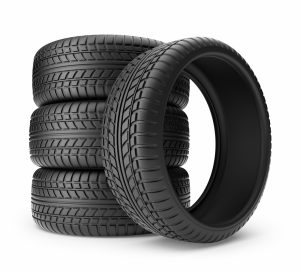
Checking tyre pressure is one of the simplest, yet most important, tasks that every driver should carry out regularly to ensure their safety and driving comfort. Correct tyre pressure not only significantly affects the vehicle’s handling on the road, reducing the risk of an accident, but also improves fuel economy by reducing fuel consumption and slowing down tyre wear.
Correct tyre pressure
Correct tyre pressure is key to safe and economical driving. Checking your tyre pressure regularly – recommended at least once a month and before long journeys – helps you avoid unnecessary risks on the road and extends the life of your tyres. Checking the pressure on cold tyres guarantees the most reliable results, and modern TPMS (Tyre Pressure Monitoring System) systems, which have been fitted to cars in the European Union since 2014, automatically alert the driver to any drops in pressure.
It is worth remembering that the optimum tyre pressure depends on the vehicle model and the manufacturer’s recommendations, which can be found in the owner’s manual or on special stickers inside the car. Let’s not forget the spare wheel either – ensuring it is correctly inflated could prove a lifesaver in an unexpected situation. By maintaining the correct tyre pressure, we are not only looking after our own safety, but also ensuring a comfortable and economical drive.
The dangers of driving with incorrect tyre pressure
Driving with incorrect tyre pressure poses a real risk to road safety, affecting both the vehicle’s performance and driving comfort. Underinflated tyres lead to a longer braking distance, which in critical situations can cause an accident. Conversely, overinflated tyres reduce grip on the road surface, increasing the risk of skidding, particularly on wet roads. Furthermore, incorrect tyre pressure contributes to faster tyre wear (and consequently tyre change (which will happen more often) and increases fuel consumption. Checking tyre pressure regularly is a simple step that can significantly improve safety and fuel economy.
The risks associated with driving with incorrect tyre pressure:
- Increased braking distance: Low tyre pressure can increase the braking distance by up to 5 metres when travelling at 70 km/h.
- Reduced driving comfort: Excessive tyre pressure reduces shock-absorbing performance, which diminishes ride comfort.
- Increased fuel consumption: Incorrect tyre pressure leads to greater rolling resistance, which in turn increases fuel consumption.
- Faster wear and tear on tyres and suspension: Incorrect tyre pressure means tyres, wheels and suspension components will need to be replaced sooner.
- Reduced grip on the road surface: Excessive pressure reduces the contact area tyres on the road, which may lead to a loss of control of the vehicle, particularly on wet surfaces.
- Risk of slipping and having an accident: Uneven tyre pressure can cause the vehicle to ‘pull’ to one side, which increases the risk of an accident when overtaking or swerving.
How do you check your tyre pressure?
Checking tyre pressure is crucial for safety and driving efficiency. Optimal measurement conditions are ensured by using reliable tyre pressure gauges and taking measurements on cold tyres, preferably on level ground. Regular checks, carried out monthly or every time you fill up at a petrol station, help to maintain the correct tyre pressure.
For those who value independence and convenience, it is recommended that you purchase a portable tyre pressure gauge and compressor, which will enable you to check and, if necessary, adjust the tyre pressure anywhere and at any time. Such a kit not only ensures safety but also saves money by extending the life of your tyres and reducing fuel consumption.