
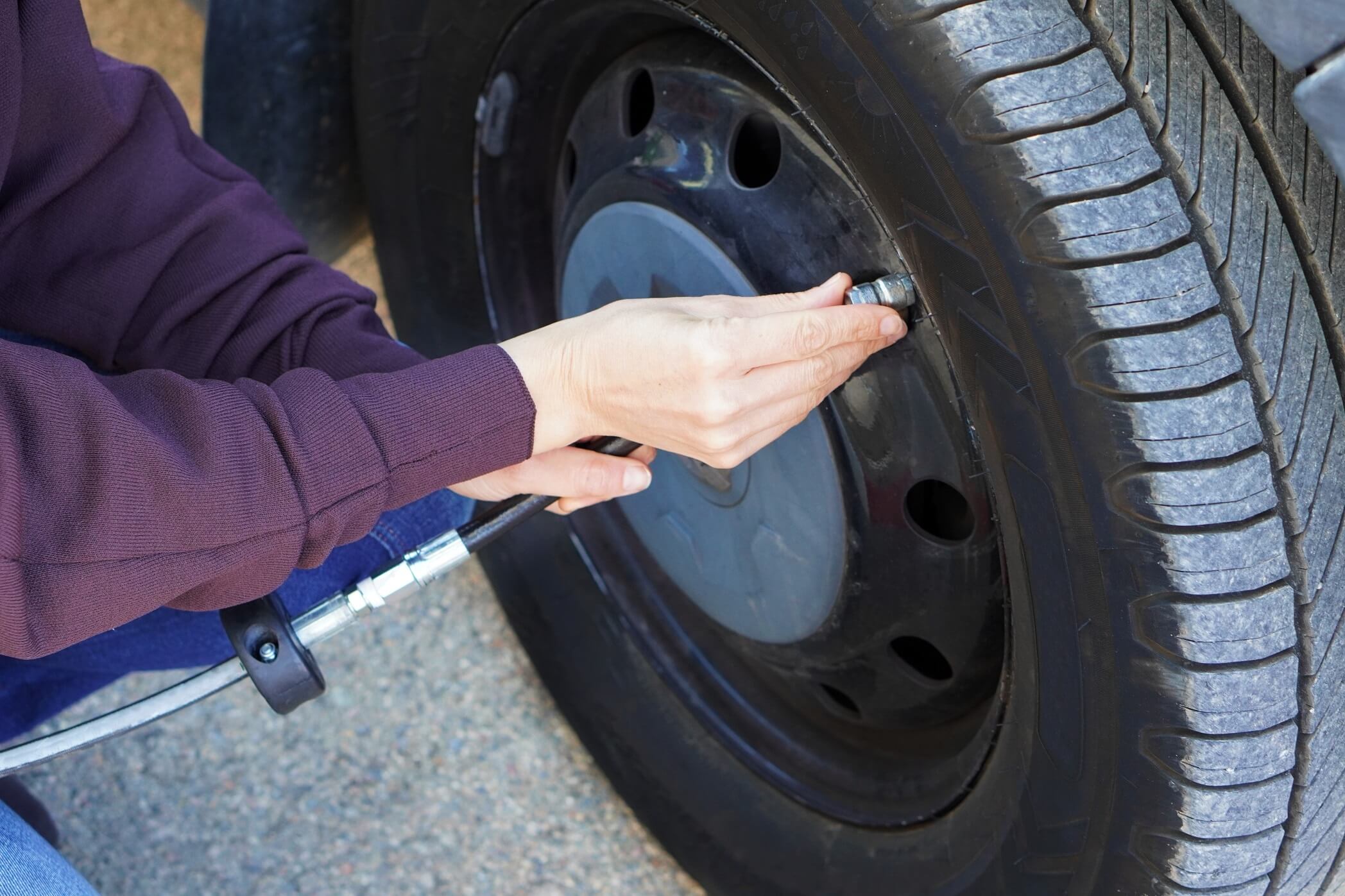
A sudden drop in tyre pressure whilst driving – when should you avoid driving?
Sudden weakness, dark spots before your eyes, a cold sweat. When you’re out and about, these symptoms can take you by surprise and increase your stress levels. Sometimes it’s just dehydration. Sometimes it’s the start of fainting. The difference is important for your safety.
In this article, you’ll learn how to recognise the symptoms of low blood pressure, when to stop immediately, how to drive safely to a service point, and when it’s better to hand over the wheel. You’ll also find simple ways to rehydrate and assess the risks before continuing your journey.
How can you recognise the symptoms of a sudden drop in blood pressure whilst travelling?
The most common symptoms are dizziness, weakness, spots before the eyes, blurred vision and a cold sweat. Nausea, drowsiness and palpitations may also occur.
In the car, the symptoms can be hard to spot, as you’re sitting down and your gaze is fixed. Watch out for a sudden wave of weakness, a wavering vision, ringing in the ears, a feeling of ‘emptiness’ in your head, or a sudden drop in energy after sitting for a long time. Common causes include dehydration, heat, going too long without eating, eating too much, alcohol, new or increased doses of blood pressure medication, infection and not getting enough sleep.
When should you stop the car immediately and call for help?
When symptoms are severe, are getting worse or alarming symptoms appear, safety must come first.
Stop driving immediately and call the emergency services if you experience a fainting spell, chest pain, shortness of breath, facial asymmetry or weakness in an arm, a very fast or very slow heart rate accompanied by a feeling of faintness, bleeding, injury, dehydration following vomiting or diarrhoea, or if you are pregnant. Do not try to ‘push through’. Pull over safely, switch on your hazard warning lights and remain seated or lying down until help arrives.
How can I get to the nearest service point safely?
Only if your symptoms have eased and you feel you are fully in control. Otherwise, stop immediately.
If you’re feeling more stable and the journey is short, choose the nearest car park, service area or petrol station. Drive calmly and predictably. Signal your manoeuvres and switch on your hazard warning lights when you slow down at the hard shoulder. Avoid overtaking and sudden movements. Once you’ve stopped, ventilate the cab, loosen your clothing, and sit or lie down with your legs slightly raised. Rest before making any further decisions.
Should a driver with low blood pressure carry on driving?
Only once the symptoms have completely subsided, and after a break, rehydration and a light meal. If the symptoms return, do not continue driving.
People prone to low blood pressure often know their ‘safe limits’. When travelling, the margin for error is narrower, as a constant level of attention is required. If you experience a recurrence of dizziness, drowsiness or blurred vision, travel as a passenger or postpone your journey. It’s worth rearranging your plans to avoid the heat and long stretches of driving without breaks.
How can you replenish fluids and take medication without risking a flare-up of symptoms?
Drink water in small sips. Have an electrolyte drink. Eat light meals. Take your medication as prescribed by your doctor.
Start by drinking water, then consider an isotonic drink. Avoid alcohol. Coffee may provide temporary relief, but it is not a substitute for fluids and may actually worsen dehydration. It is better to choose a light, salty snack, such as crackers, rather than a heavy meal. If you’re taking blood pressure medication, do not stop taking it without consulting your doctor. If you suspect your blood sugar has dropped, eat a portion of fast-acting carbohydrates and stop driving until your condition has stabilised.
How can you assess the risk of fainting before continuing your journey?
Take a quick self-assessment: how you’re feeling, your stability when standing up, whether you can manage a short walk, and whether you have access to support. If you have any doubts, do not drive.
Helpful review questions:
- Have the dizziness, blurred vision and sweating completely gone away?
- Do you experience any ‘darkness’ before your eyes when you stand up?
- Can you manage a few minutes without feeling weak?
- Have you had a light meal and a drink of water?
- Do you have the medicines you need with you, and are they working as usual?
- Is there anyone who could take over the driving or give you a lift home?
- Are the road and weather conditions suitable for a peaceful drive?
If you’re unsure about the answer to even one question, it’s best not to get back on the road as a driver.
When is it better to let a passenger take the wheel or to pull over?
If your symptoms do not go away, keep coming back, or if you feel drowsy or unsteady, your safety and that of other road users is a priority.
Hand over the wheel if you experience a prolonged episode of weakness, blurred vision, a ‘floating’ image, nausea or palpitations. Do not drive if your dose of blood pressure or heart medication has recently been increased, if you have recently had an infection with a fever, or in hot weather which increases the risk of dehydration. Stopping and taking a break is wiser than risking fainting at the wheel.
Is it worth postponing the trip, and how should you decide?
Yes, if the cause of the drop in blood pressure is unclear or the symptoms return. Your health and concentration are more important than a deadline.
Postpone your journey if you’ve had a sleepless night, are unwell, are taking new medication, or a heatwave is forecast. Choose a time of day when temperatures are lower. Plan more frequent stops and take water and light snacks with you. If your journey isn’t urgent, give yourself time to make a full recovery. If the problem recurs, consult your doctor and draw up a plan for the future.
Pay attention to the signals your body sends you. Making sensible decisions whilst on the road is an investment in your own safety and that of others.
Plan your breaks and fluid intake before setting off, and if you experience any symptoms, stop immediately and seek help.