
Blog and advice
Advice on tyres, seasonal changes and safe driving.
-
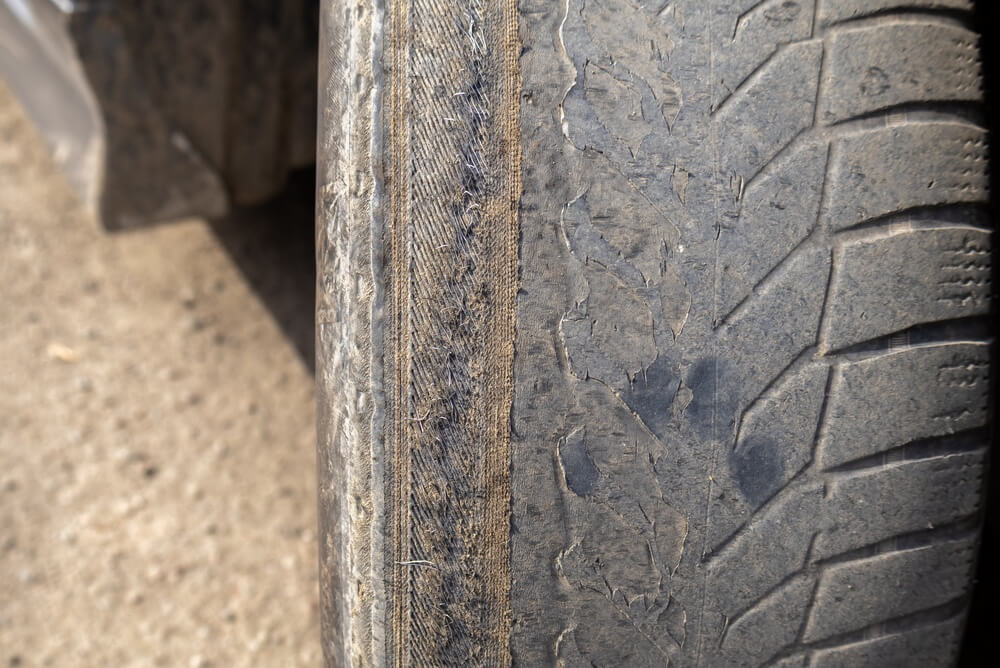
Why might new tyres wear unevenly?
New tyres may wear unevenly because the fresh tread reveals problems that were almost invisible on old, partially worn tyres, such as poor wheel alignment, incorrect tyre pressure or an unbalanced wheel. The most common cause is incorrect toe-in or camber, which causes the tyre to wear more heavily on one edge, as well as…
-
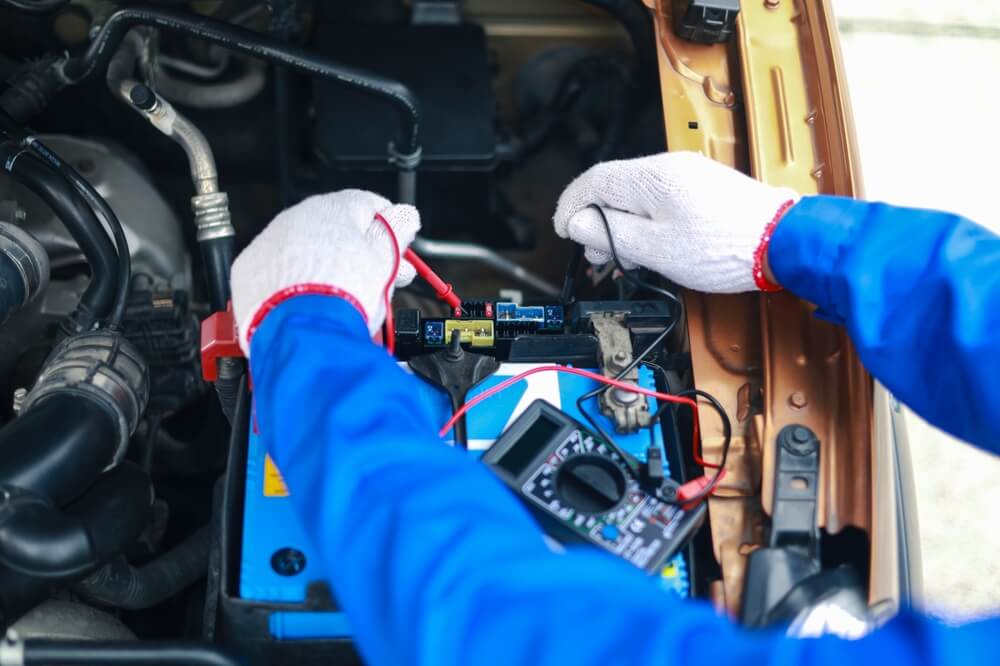
How can you tell if a battery is still fit for use?
A battery is still fit for use if, after a prolonged period of inactivity, the voltage at its terminals remains within the normal range and does not drop sharply below safe levels when under load. Warning signs include the starter motor turning more slowly, difficulty starting the engine after a night’s standstill, and the voltage…
-
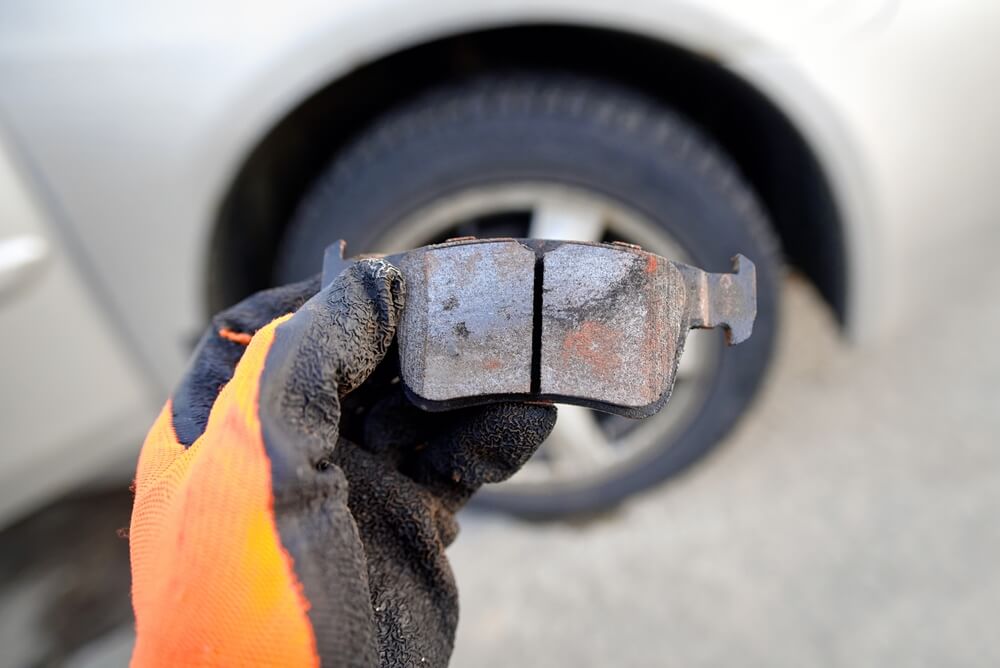
What are the signs of uneven wear on brake pads?
Uneven wear on brake pads is most easily identified by a difference in the thickness of the lining between the left and right wheels on the same axle. This is usually accompanied by a squeal or grind coming from only one side of the vehicle, as well as vibrations in the steering wheel or brake…
-
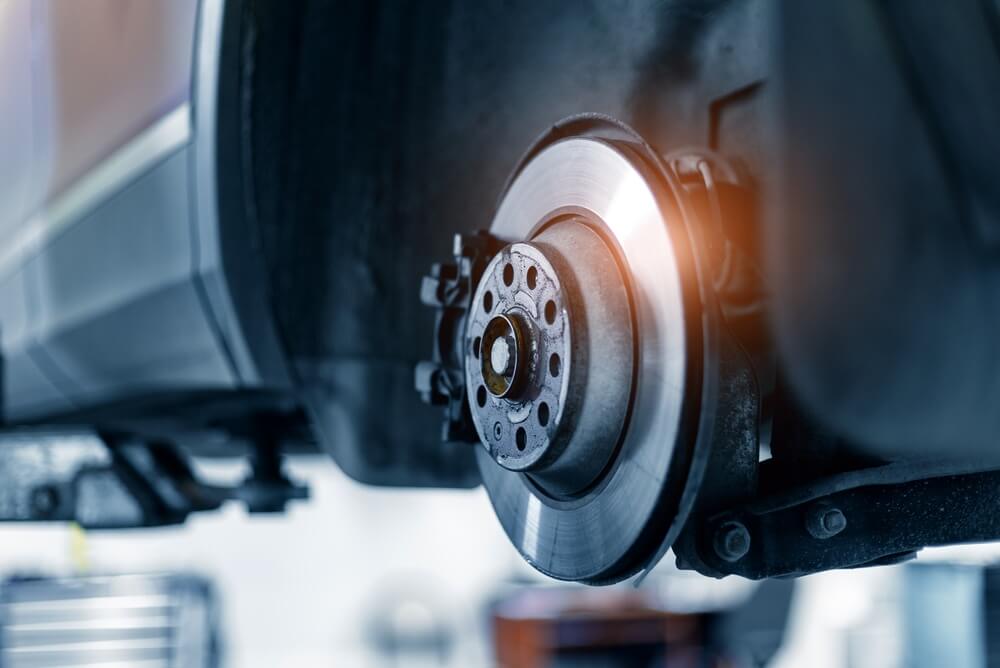
Is it possible to replace the brake pads on just one axle?
Brake pads can – and in fact usually must – be replaced on just one axle, as the front and rear axles wear them down at completely different rates. What you must not do is replace the pads on only one side of a given axle, as the left and right wheels on the same…
-
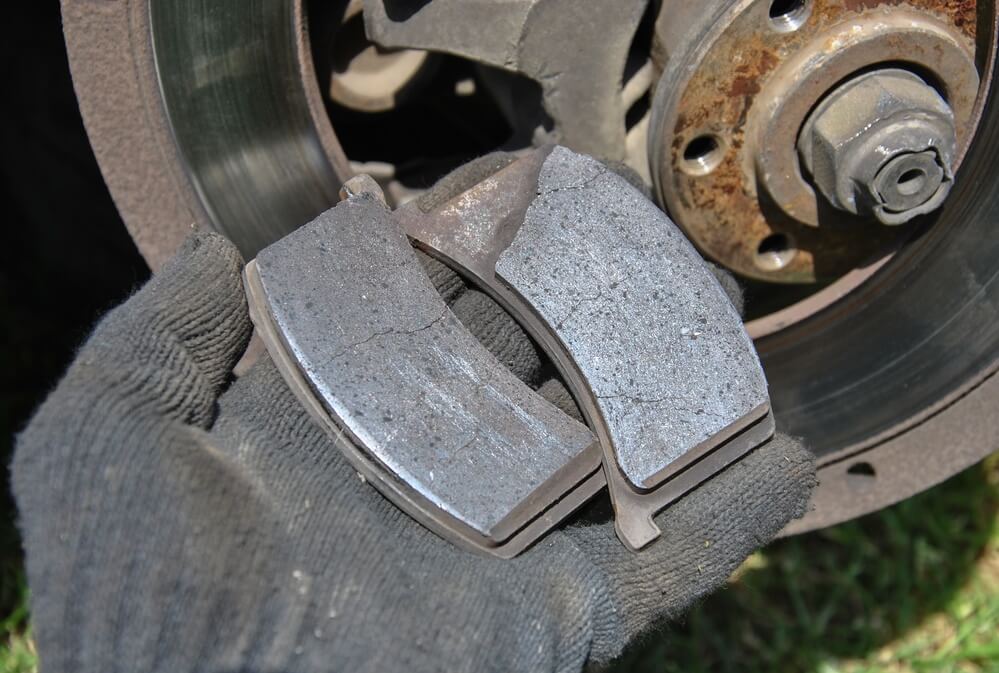
How can you tell if your brake pads need replacing straight away?
Brake pads must be replaced immediately when the lining thickness falls below 3 millimetres, a metallic grinding noise occurs when braking, or the braking distance noticeably increases. In such a situation, a delay of even a few days increases the risk of metal-on-metal contact and a loss of full braking effectiveness. At our workshop, we…
-
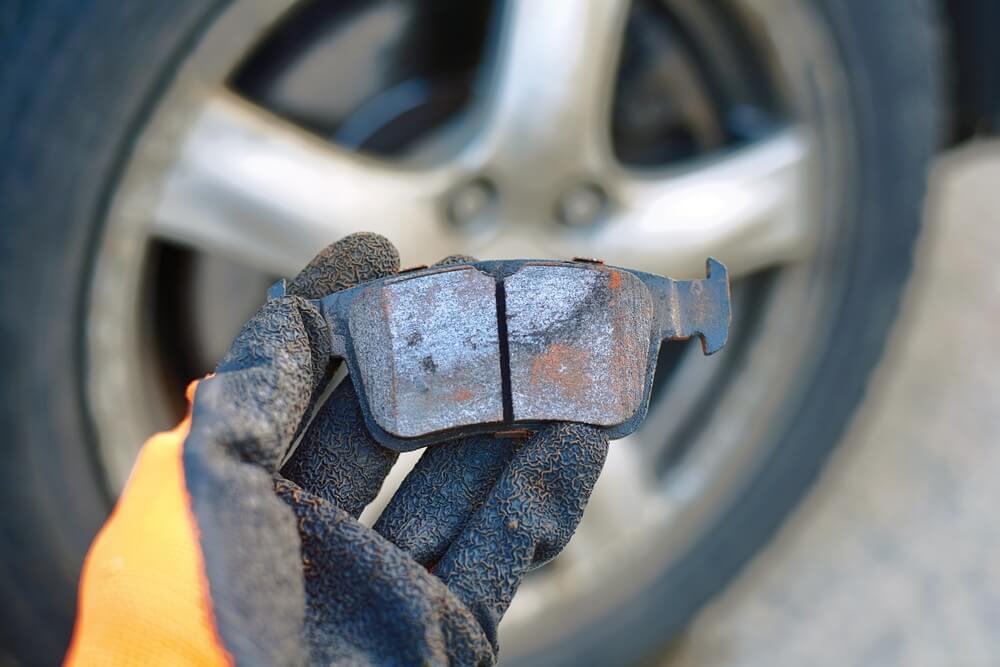
How long does it take to replace the brake pads, and what factors affect the duration of the service?
Replacing the brake pads on a single axle usually takes between 30 and 90 minutes, provided the system is in good working order and the caliper bolts and guides are not corroded. However, the total duration of the visit can be longer, as it includes diagnosis, checking the condition of the brake discs and brake…
-
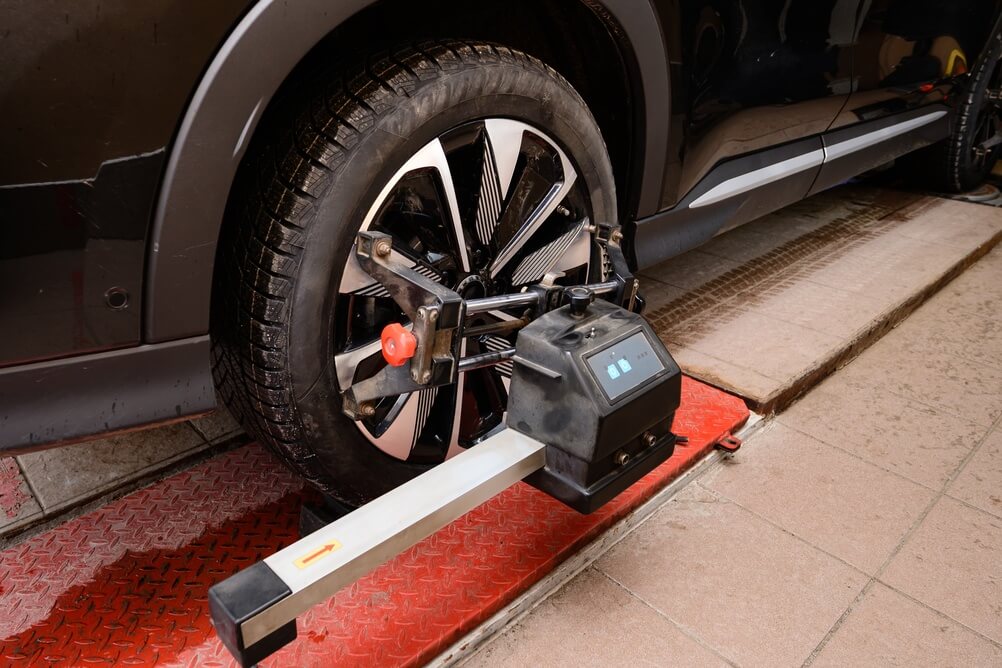
Does incorrect wheel alignment increase fuel consumption?
Incorrect wheel alignment increases fuel consumption, as wheels set at the wrong angle encounter additional resistance as they roll, rather than moving freely in the direction of travel. This effect may be minor with a slight misalignment, but it increases as the problem worsens and contributes to accelerated, uneven tyre wear. At our workshop, this…
-
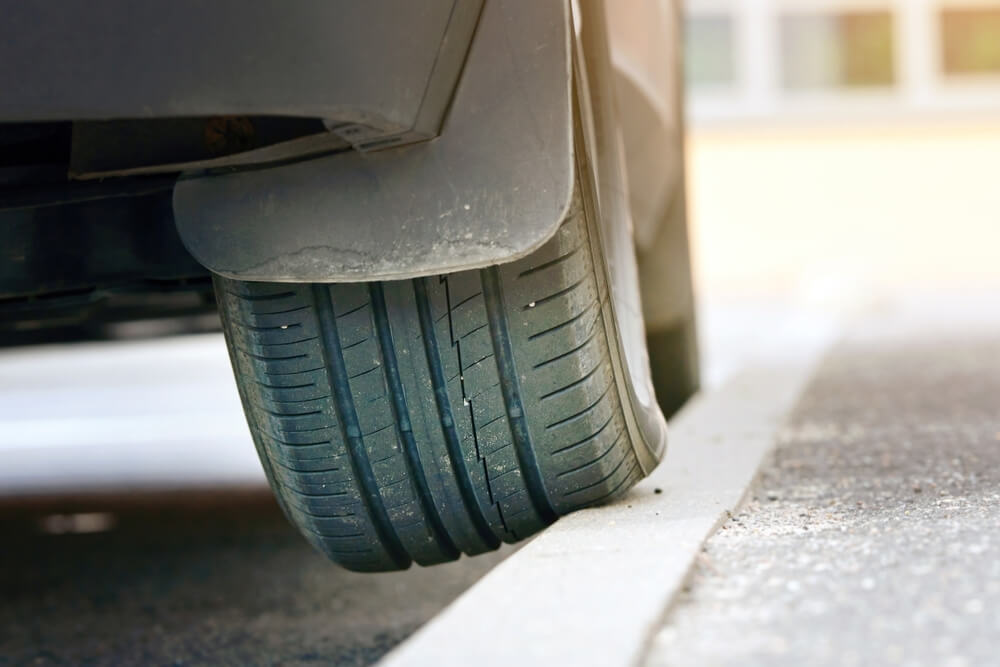
Can hitting a kerb throw the suspension alignment out of alignment?
Hitting a kerb can throw the suspension alignment out of kilter, even if the tyre and wheel rim appear undamaged, as the force of the impact is transferred to the steering links and the suspension components responsible for wheel alignment. The effects of such an impact are not always immediately apparent — the car may…
-
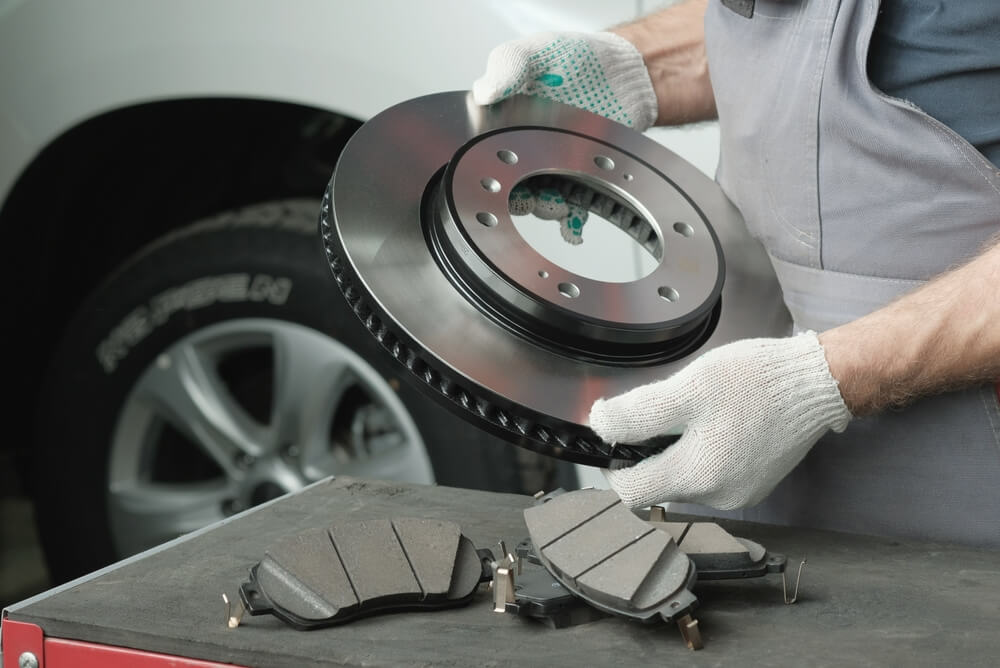
Do you also need to replace the brake discs after changing the brake pads?
Replacing brake pads does not always require replacing the discs — if the discs are of sufficient thickness, have a smooth surface and are not corroded, they can continue to be used with new pads for another set, or sometimes two further sets. This depends on the condition of the disc, as assessed when the…