
Blog and advice
Advice on tyres, seasonal changes and safe driving.
-
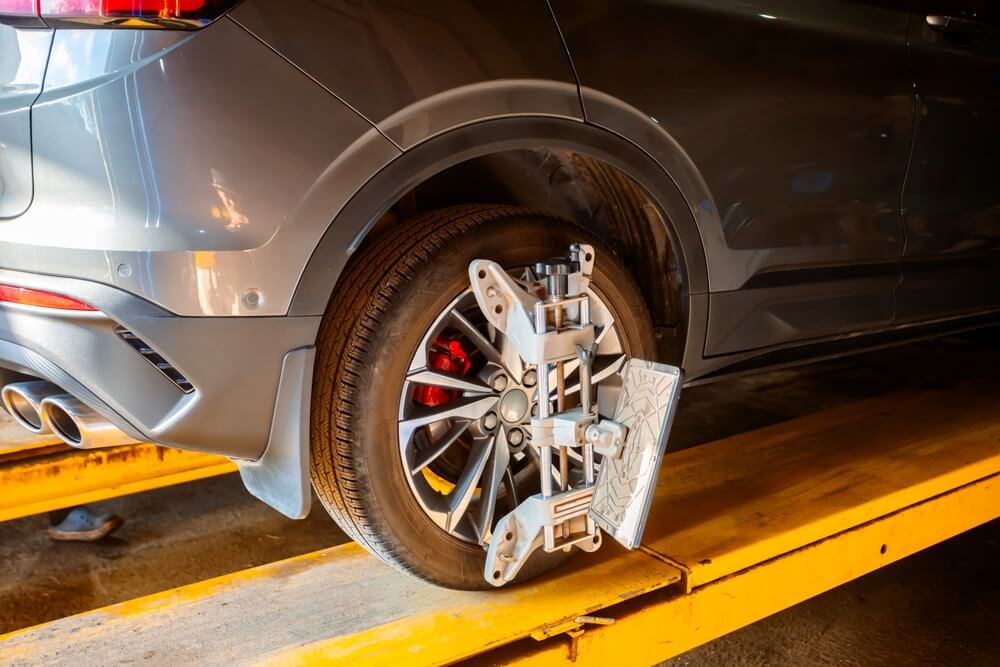
How often should wheel alignment and toe-in be checked?
As a precaution, it is advisable to check the wheel alignment approximately every 30,000 kilometres or once every two years, and in more challenging road conditions even every 15,000–20,000 kilometres. Apart from this schedule, a check is mandatory after any significant impact with a kerb or a pothole, following suspension repairs, and at the first…
-
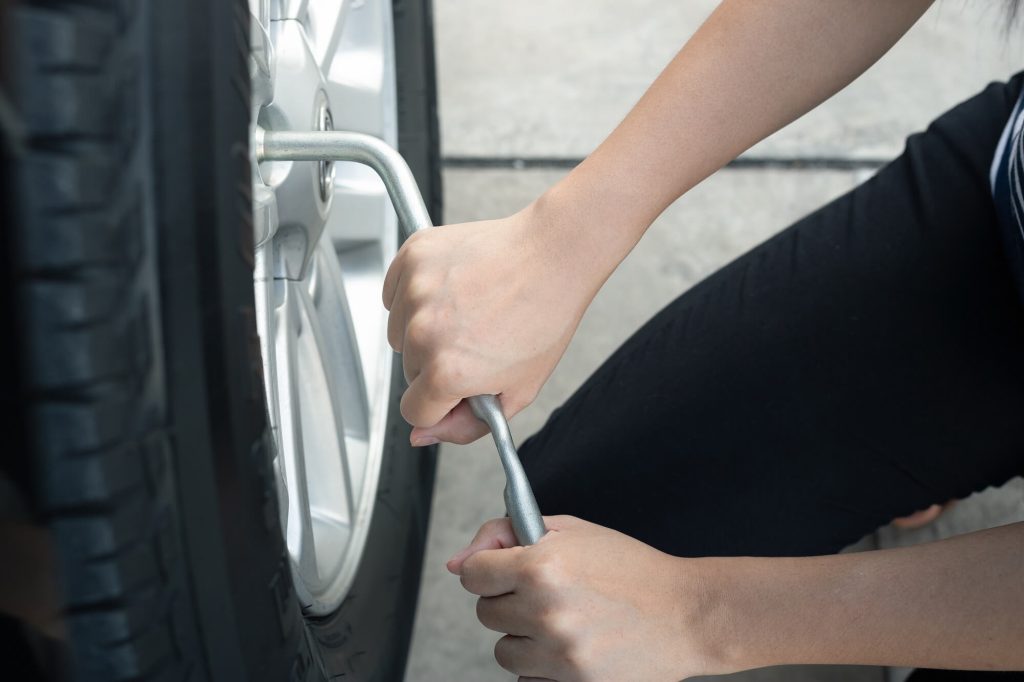
How do you unscrew the bolts on a wheel without stripping the thread or damaging the rim?
How do you unscrew the bolts on a wheel without stripping the thread or damaging the rim? To safely unscrew the wheel bolts without risking stripping the thread or scratching the wheel rim, you must use the right tools and techniques, and avoid using excessive force if you encounter resistance. The most important thing is…
-
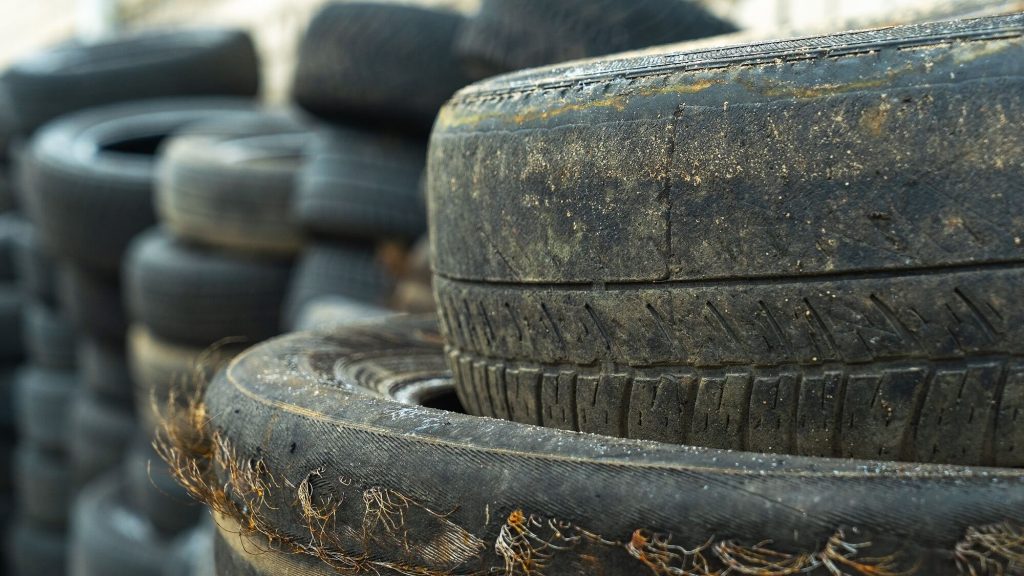
Can you be fined for having bald tyres?
Can you be fined for bald tyres? Yes, you can be fined for driving on bald tyres, and the consequences can be far more serious than just a financial penalty. This is neither a myth nor a scare tactic aimed at drivers, but a real danger that we encounter every day at our Wulkanizacja24h service…
-
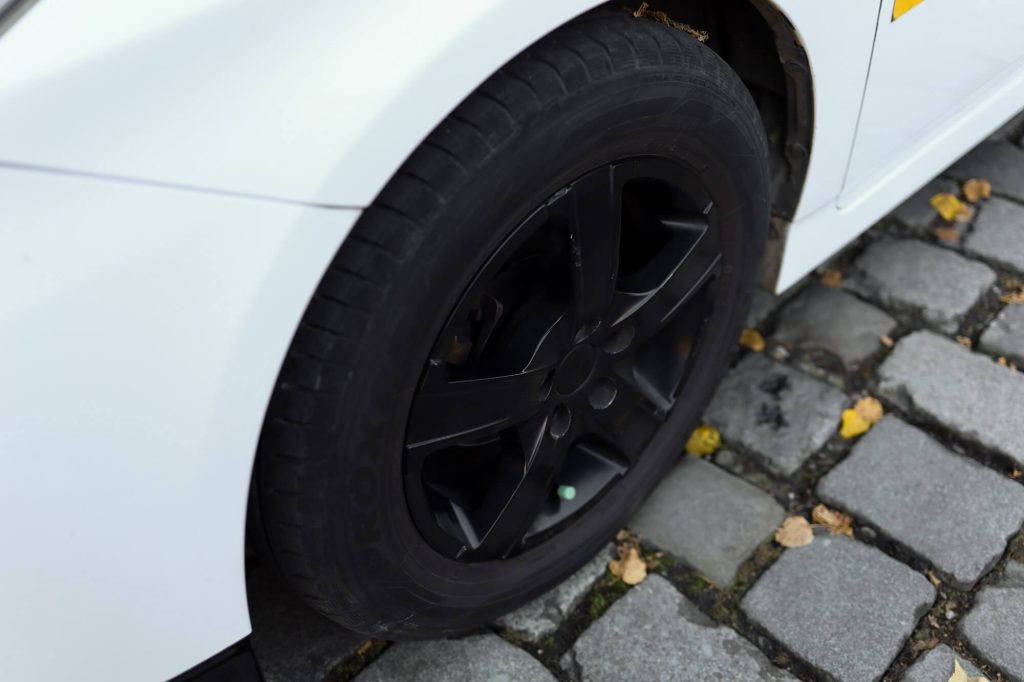
What might happen to a wheel if it hits a kerb hard?
What might happen to a wheel if it hits a kerb hard? A hard impact with a kerb can lead to a wide range of damage, from cosmetic scratches on the wheel rim to serious suspension faults that jeopardise driving safety. From our many years’ experience in the tyre industry, we know that even a…
-
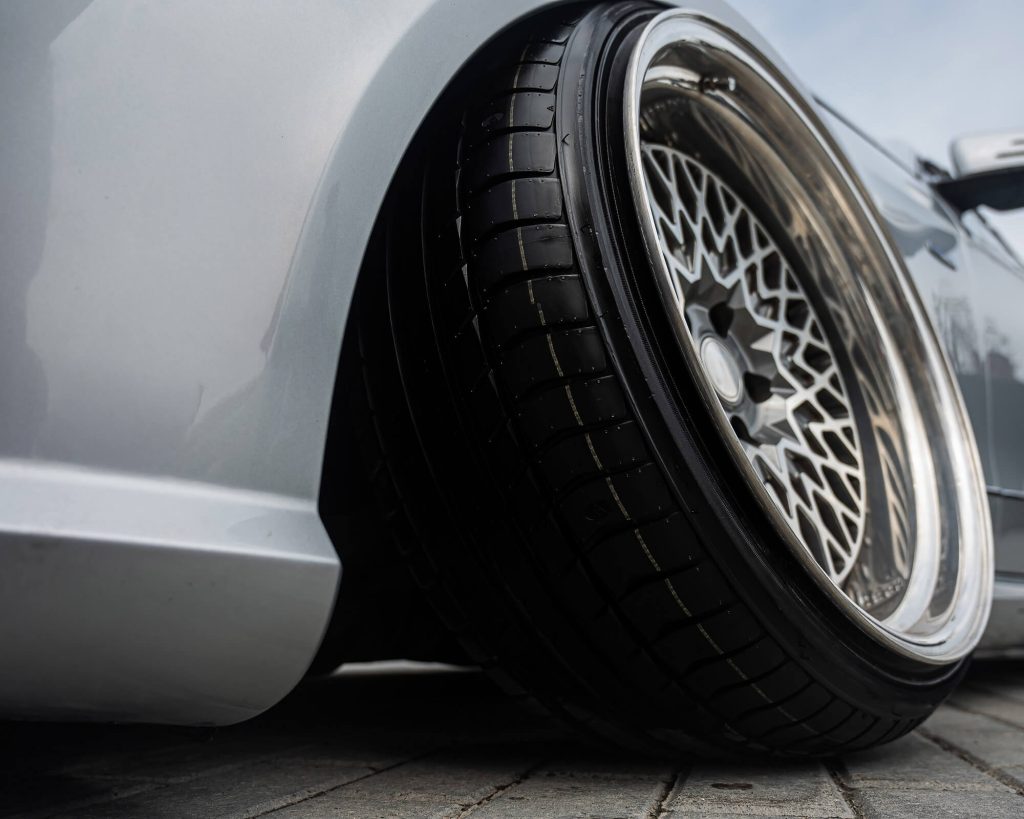
Is it worth paying extra for premium tyres?
Is it worth paying extra for premium tyres? You’re faced with the choice of new tyres and are wondering whether it’s worth spending a few hundred zlotys more on a set from the premium range. Are all those manufacturers’ promises of shorter braking distances and better grip true, or is it just marketing? Our experience,…
-
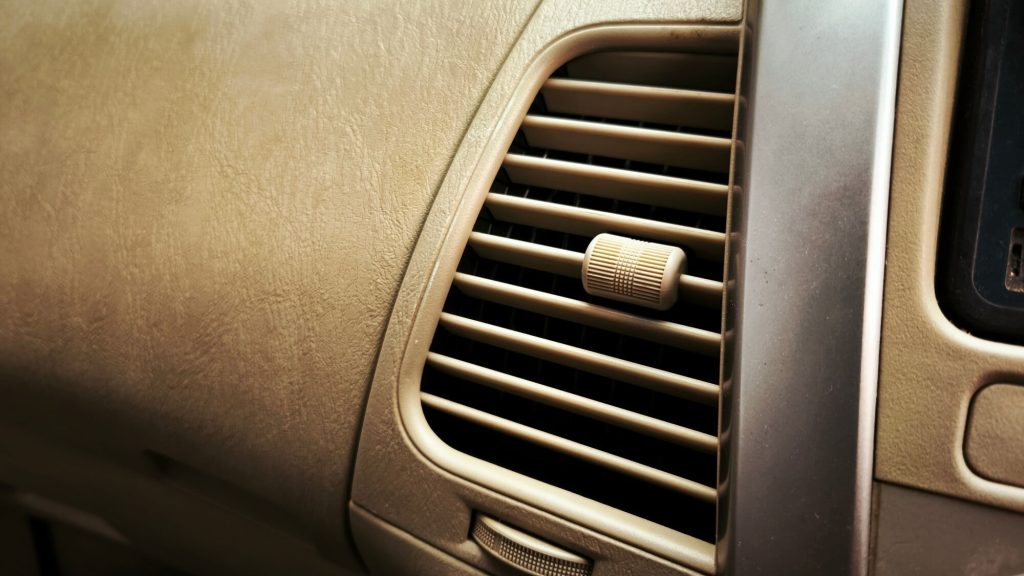
When should you have your car’s air-conditioning recharged and cleaned?
When should you recharge and clean the mould from your car’s air conditioning system? The first heatwave is upon us; you switch on the air conditioning in your car, but instead of a pleasant cool breeze, the vents are blowing air that’s barely lukewarm. Sound familiar? This is a classic sign that your air-con system…
-
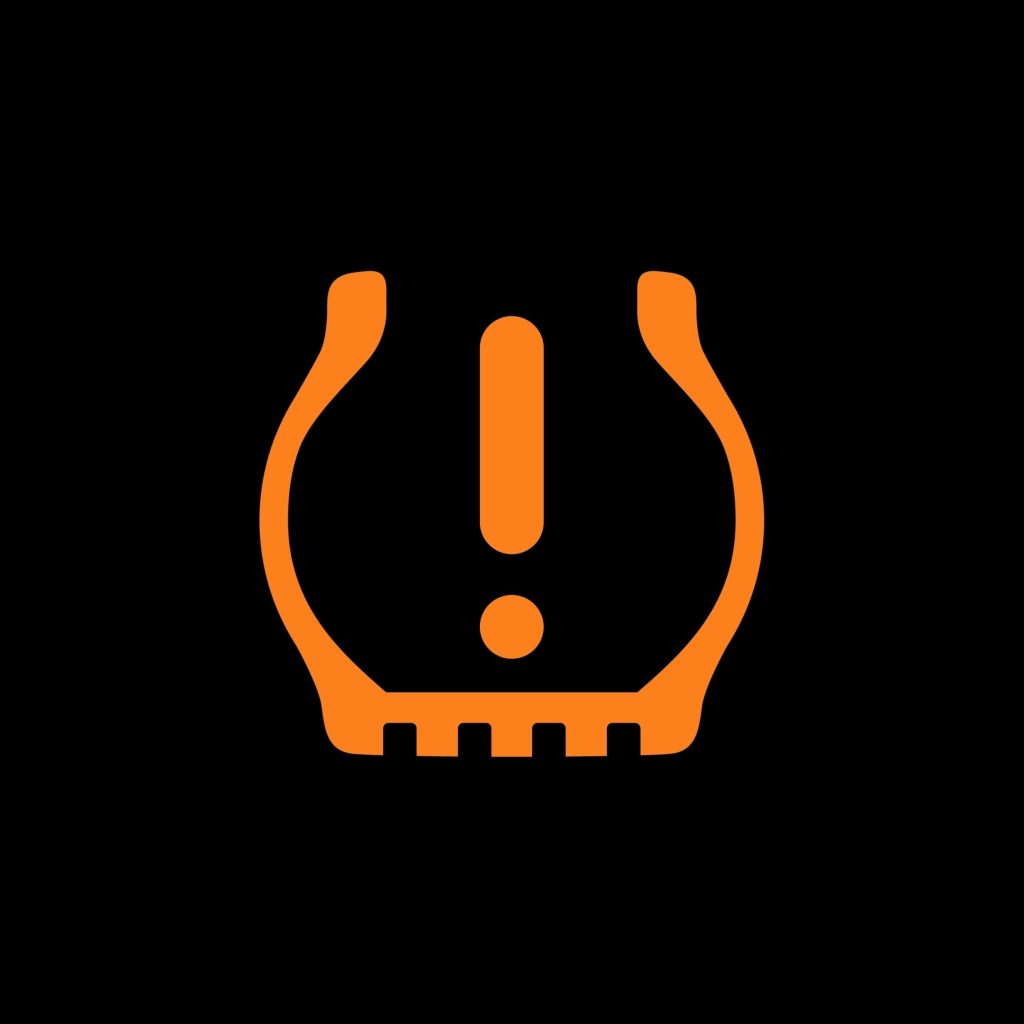
What does the tyre pressure warning light (TPMS) mean?
What does the tyre pressure warning light (TPMS) mean? A yellow warning light showing a tyre and an exclamation mark indicates that your car’s TPMS (Tyre Pressure Monitoring System) has detected a drop in pressure in at least one tyre of approximately 20–25 per cent below the recommended level. This is a warning that must…
-
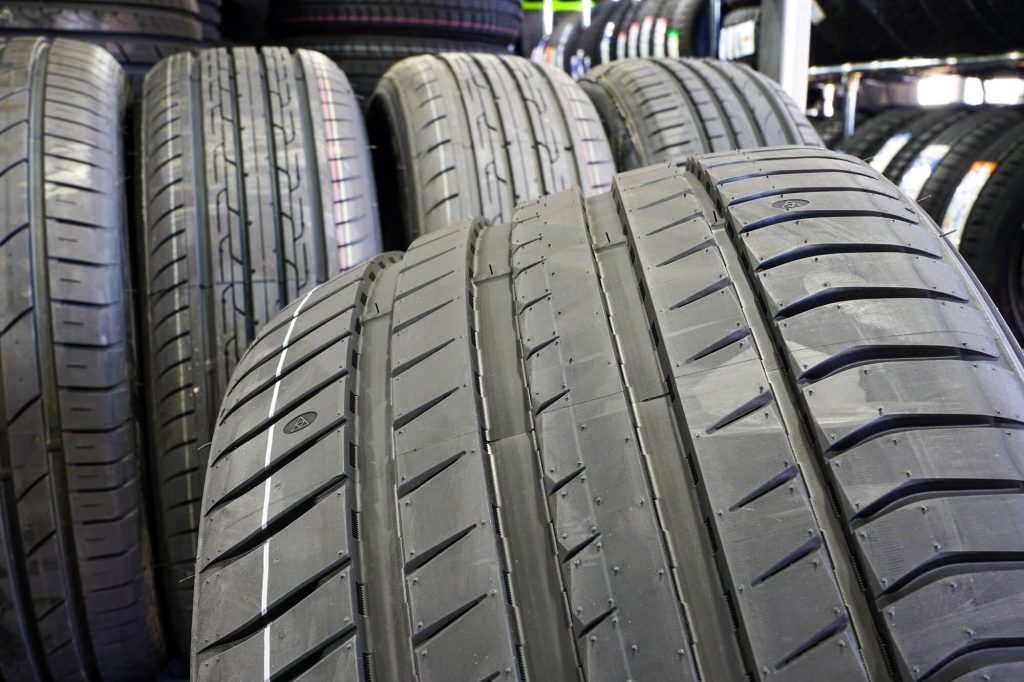
Is it possible to fit tyres that are narrower or wider than those recommended by the manufacturer?
Is it possible to fit tyres that are narrower or wider than those recommended by the manufacturer? Yes, technically it is possible to fit tyres that are narrower or wider than those recommended by the manufacturer, but this is an operation that requires expertise and an understanding of the consequences. This is one of the…
-
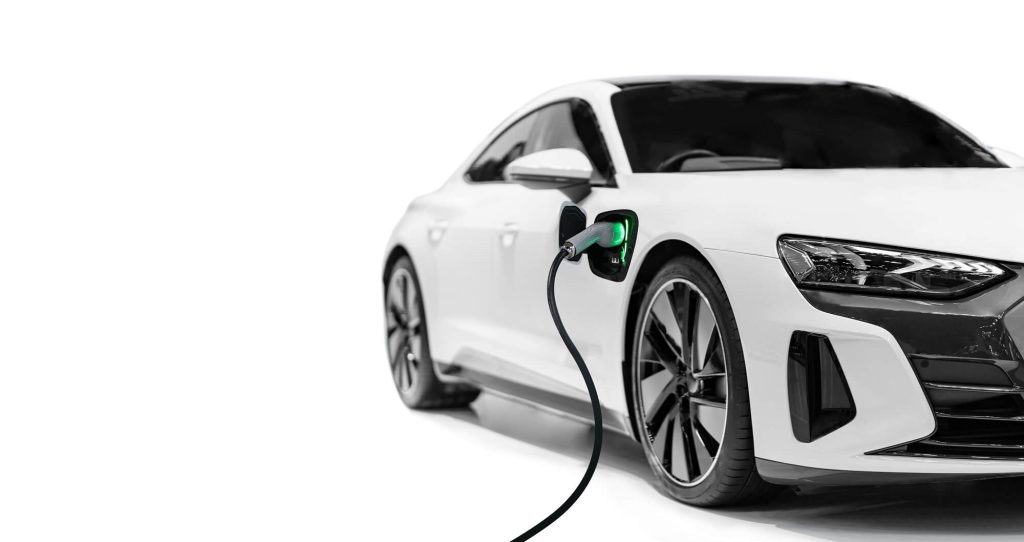
How do tyres for electric cars differ from ordinary tyres?
How do tyres for electric cars differ from ordinary tyres? Tyres for electric vehicles (EVs) differ from standard tyres primarily in their reinforced construction, a special rubber compound that reduces rolling resistance, and noise-reducing technologies. These changes are necessary to meet the challenges posed by the vehicle’s greater weight, the instantly available high torque, and…