
Does wheel alignment affect steering wheel vibration?
Every driver should be on the lookout for unusual behaviour and symptoms that occur whilst driving. Particularly worrying signs include noticeable vibrations in the steering wheel, which become more pronounced as the car reaches higher speeds.
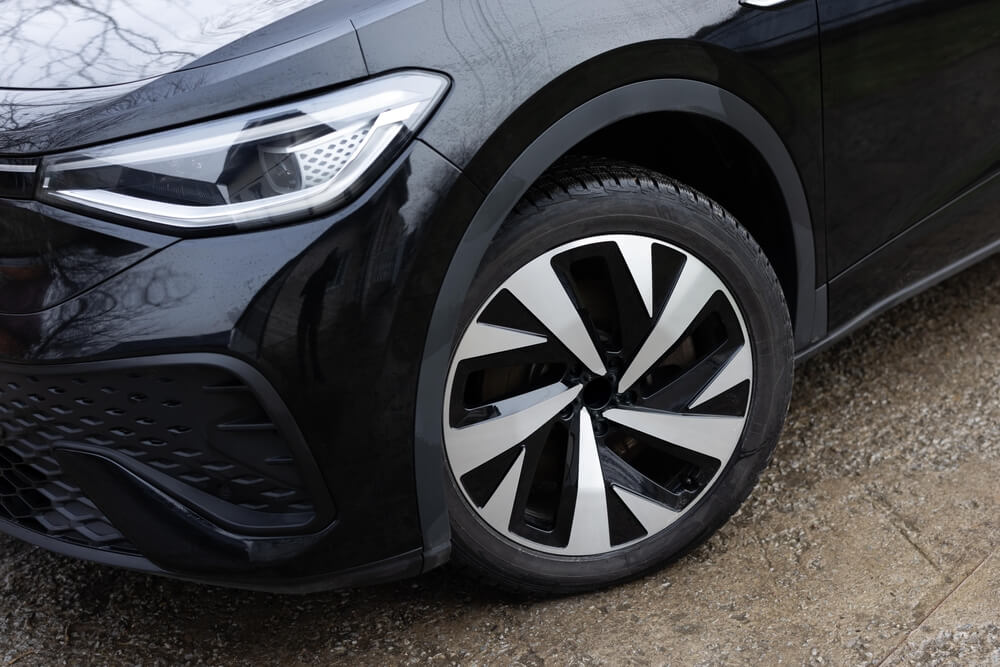
There are various causes that can lead to vibrations travelling through the steering wheel, including incorrect wheel alignment. In this article, we examine this situation and offer advice on how to distinguish between vibrations caused by incorrect wheel alignment and those caused by other factors, as well as how to prevent such a situation from occurring.
Wheel alignment – symptoms of incorrect alignment and resulting vibrations
Wheel toe refers to the angle at which the wheels are aligned relative to one another in the horizontal plane. It is one of the key parameters in suspension geometry, and any irregularities or deviations from the norm may result in premature tyre wear. They can lead to increased rolling resistance and, consequently, reduce the car’s directional stability whilst driving.
Although incorrect wheel alignment is not a direct cause of vibrations, it does play an important role as an indirect factor. Incorrectly aligned wheels will cause uneven tyre contact with the road surface, which can lead to irregular rolling – known as ‘toothed rolling’. This, in turn, causes vibrations to spread throughout the vehicle, right up to the steering system. To avoid this, it is worth seeking professional wheel alignment in Warsaw.
The cause of steering wheel vibration in a car
It is not only incorrectly balanced wheels that can cause vibrations felt whilst driving. These are often caused by mechanical damage to the kingpins or bearings, or deformation of the tyres or rims. In such cases, professional assistance may be essential tyre repair.
Drivers opting for a professional service of the running gear should also ensure that the suspension alignment, including wheel toe, is checked. This is one of the key factors affecting driving comfort and safety.
Incorrect wheel alignment and the type of vibration generated
If you’re wondering whether the vibrations you feel in your vehicle are caused by incorrect wheel alignment, it’s worth paying attention to their frequency and intensity. These are usually low-frequency vibrations, accompanied by slight jolts or the car pulling to one side. The vibrations may intensify at different speeds, but most commonly when driving in a straight line, whilst accelerating or during sudden braking.